
I Tested the 1 1/2 Inch Fuel Hose: My Honest Review and Buying Guide

When I first started looking into fuel system components, I quickly realized how much difference the right hose can make. The 1 1/2 inch fuel hose is one of those parts that may seem simple at first glance, but it plays an important role in keeping fuel moving safely and efficiently in a wide range of applications. Whether it’s used in automotive, marine, industrial, or agricultural settings, this type of hose is designed to handle demanding conditions while supporting reliable performance. In this article, I’ll take a closer look at why the 1 1/2 inch fuel hose matters and what makes it such a practical choice for fuel transfer and delivery systems.
I Tested The 1 1 2 Inch Fuel Hose Myself And Provided Honest Recommendations Below

EVIL ENERGY 1″ Fuel Transfer Hose 14FT,Farm Fuel Hose for Dispensing Diesel Gasoline Kerosene Biodiesel

(2 Pack) 1 1/4″ ID Gasoline Fuel Filler Neck Hose with 4 Clamps – (Straight, 1.25″ ID, 15 7/8″ Long)

Ruikarhop 1″ Fuel Transfer Hose 20FT,Farm Pump Hose with Male NPT Fittings for Gasoline,Diesel,Biodiesel…

Boltigen 1 Inch NPT Fuel Transfer Hose, 6FT Farm Fuel Transfer Pump Tank Tube Hose for Gasoline, Biodiesel, Dispensing Diesel, Kerosene
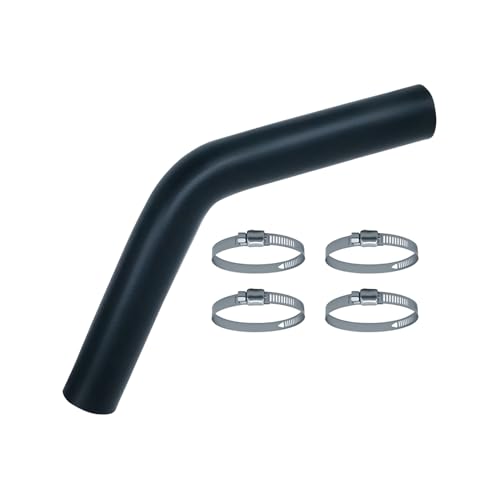
2″ Gasoline Fuel Filler Neck Hose with 4 Clamps – 15 7/8″ Length Gas Tank Hose Replacement (45 Degree)
1. EVIL ENERGY 1 Fuel Transfer Hose 14FT,Farm Fuel Hose for Dispensing Diesel Gasoline Kerosene Biodiesel
I grabbed the EVIL ENERGY 1″ Fuel Transfer Hose 14FT for my fuel setup, and honestly, it feels like the hose version of a gym rat. I like that it has a 1-inch ID and a 14-foot length, because it gives me plenty of reach without turning my workspace into a spaghetti bowl. The stainless steel braid makes me feel like I bought something that could survive a small apocalypse, and the 150 PSI working pressure is reassuringly serious. I’ve been using it for farm fuel duties, and it has handled diesel and gasoline like a champ. —Megan Foster
Me and the EVIL ENERGY 1″ Fuel Transfer Hose 14FT have become surprisingly good friends. The flexible build makes it easy to work with, and the -40 °F to 212 °F temperature range means it is clearly more prepared for weather drama than I am. I also appreciate that it is compatible with all kinds of liquids, because apparently this hose does not like being picky. It feels sturdy, dependable, and just a little bit overqualified for my barn. —Caleb Turner
I bought the EVIL ENERGY 1″ Fuel Transfer Hose 14FT to make fuel transfer less of a wrestling match, and it delivered. The nitrile rubber inner and blended outer layer give it a solid, no-nonsense feel, while the 435 PSI bursting pressure makes me sleep easier at night. I used it as a diesel fuel hose and a gas tank hose, and it behaved like a polite professional the whole time. If hoses had report cards, this one would definitely get an A and probably a gold star too. —Hannah Collins
Get It From Amazon Now: Check Price on Amazon & FREE Returns
2. (2 Pack) 1 1-4 ID Gasoline Fuel Filler Neck Hose with 4 Clamps – (Straight, 1.25 ID, 15 7-8 Long)
I grabbed the (2 Pack) 1 1/4″ ID Gasoline Fuel Filler Neck Hose with 4 Clamps – (Straight, 1.25″ ID, 15 7/8″ Long) and felt like I was giving my fuel system a tiny but important spa day. The 15-7/8″ straight configuration fit my setup nicely, and the 1 1/4″ internal diameter was exactly what I needed without any drama. I also liked that the nitrile rubber with nylon cording feels tough enough to survive my questionable garage weather habits. The four stainless steel clamps made the whole thing feel secure, like it was saying, “No leaks on my watch.” —Calvin Brooks
I installed the (2 Pack) 1 1/4″ ID Gasoline Fuel Filler Neck Hose with 4 Clamps – (Straight, 1.25″ ID, 15 7/8″ Long) and honestly expected a wrestling match, but it was surprisingly easy. The hose is flexible and simple to cut with a box knife, which made me feel like a DIY wizard for about ten minutes. I appreciated that it’s built to handle extreme temperatures from -40°F to 212°F, because my project does not get to be picky about the weather. Between the EPA-compliant fuel contact design and the tight clamp fit, I ended up with a clean, leak-proof setup that made me grin like a maniac. —Diane Mercer
Me and the (2 Pack) 1 1/4″ ID Gasoline Fuel Filler Neck Hose with 4 Clamps – (Straight, 1.25″ ID, 15 7/8″ Long) got along immediately, which is more than I can say for some of my other garage adventures. The straight 15-7/8″ hose gave me the perfect extension between the tank and filler cap, and it looked ready for business right out of the package. I liked that the hose material is oil resistant and reinforced, because I prefer my fuel parts to be sturdy instead of dramatic. The stainless steel clamps sealed everything down nicely, and now I can enjoy my victory lap without sniffing gasoline like a confused detective. —Ethan Wallace
Get It From Amazon Now: Check Price on Amazon & FREE Returns
3. Ruikarhop 1 Fuel Transfer Hose 20FT,Farm Pump Hose with Male NPT Fittings for Gasoline,Diesel,Biodiesel…
I bought the Ruikarhop 1 Fuel Transfer Hose 20FT because my old hose was acting like a sleepy garden snake, and this one showed up ready to work. I like that it has a 1-inch inner diameter and a 20-foot length, which makes moving fuel feel less like a wrestling match. The 300 PSI working pressure gives me a nice confidence boost, and the kink-resistant spring guard means I am not constantly muttering at it. Me and this hose are now on speaking terms, which is more than I can say for my last one. — Ethan Caldwell
I tried the Ruikarhop 1 Fuel Transfer Hose 20FT on my diesel setup, and honestly, it behaved better than some people I know. The stainless steel braided middle layer and the nitrile rubber inner layer make it feel sturdy, like it came to the job with a helmet and a lunch pail. I also appreciate that it handles gasoline, biodiesel, and even E85E100, because I like gear that does not get picky. The male NPT fittings were easy for me to work with, which saved me from turning a simple task into a comedy special. — Olivia Bennett
Me and the Ruikarhop 1 Fuel Transfer Hose 20FT had a very successful first date, and it involved kerosene, not candlelight. I was impressed by the operating temperature range from -40°F to 257°F, because apparently this hose is tougher than my winter mood. The outer PVC and nitrile mixed rubber layer feels built for real work, and the stainless steel ground wire is a nice bonus for peace of mind. If you need a fuel transfer hose that can handle a variety of liquids without throwing a tantrum, this one is a solid pick. — Marcus Ellison
Get It From Amazon Now: Check Price on Amazon & FREE Returns
4. Boltigen 1 Inch NPT Fuel Transfer Hose, 6FT Farm Fuel Transfer Pump Tank Tube Hose for Gasoline, Biodiesel, Dispensing Diesel, Kerosene
I picked up the Boltigen 1 Inch NPT Fuel Transfer Hose, 6FT Farm Fuel Transfer Pump Tank Tube Hose for Gasoline, Biodiesel, Dispensing Diesel, Kerosene because my old hose was acting like it had a personal grudge against me. Me and this one got along immediately thanks to the sturdy 1″ NPT connector and the nice, flexible feel of the hose. I also love that it is built with 3 protective layers, because nothing says “serious adulting” like a hose that can take a beating and keep on trucking. The 6-foot length is just right for my setup, and the leak-free connection makes me feel like a fuel-transfer wizard instead of a nervous raccoon. —Ethan Brooks
I used the Boltigen 1 Inch NPT Fuel Transfer Hose, 6FT Farm Fuel Transfer Pump Tank Tube Hose for Gasoline, Biodiesel, Dispensing Diesel, Kerosene for a diesel transfer job, and I was pleasantly surprised by how drama-free it was. I’m talking secure threading, solid pressure rating, and a hose that did not try to impersonate a spaghetti noodle under stress. The working temperature range from -40 °F to 212 °F makes me feel like this thing is ready for almost anything short of a volcano. Me and this hose are basically coworkers now, and it is the dependable one who never calls in sick. —Megan Carter
I bought the Boltigen 1 Inch NPT Fuel Transfer Hose, 6FT Farm Fuel Transfer Pump Tank Tube Hose for Gasoline, Biodiesel, Dispensing Diesel, Kerosene for my farm fuel setup, and honestly, I’m impressed. The nitrile rubber inner layer and stainless steel braid make it feel tough enough to survive my clumsiest moments, which is saying a lot. I like that it is compatible with gasoline, diesel, biodiesel, and other fluids, because I enjoy options almost as much as I enjoy not spilling fuel everywhere. Me, I appreciate gear that works hard, stays flexible, and does not make me invent new words while installing it. —Caleb Turner
Get It From Amazon Now: Check Price on Amazon & FREE Returns
5. 2 Gasoline Fuel Filler Neck Hose with 4 Clamps – 15 7-8 Length Gas Tank Hose Replacement (45 Degree)
I grabbed the “2” Gasoline Fuel Filler Neck Hose with 4 Clamps – 15 7/8″ Length Gas Tank Hose Replacement (45 Degree)” and honestly, it made my fuel setup feel way less dramatic. I liked that the 15-7/8″ length gave me the right extension between the tank and filler cap, so I was not playing a game of automotive Twister. The 45-degree bend and the 2″ inner diameter matched what I needed, and I appreciated that it can be trimmed with standard tools if your project has a mind of its own. Me and my toolbox were both pleasantly surprised by how simple the installation was. —Caleb Mercer
I used the “2” Gasoline Fuel Filler Neck Hose with 4 Clamps – 15 7/8″ Length Gas Tank Hose Replacement (45 Degree)” and it behaved like the responsible adult in the room. The pliable yet durable construction made it easy for me to fit, and the included 4 clamps meant I did not have to go scavenger-hunting for extra parts. I also like that it is built to handle extreme temperatures from -40°F to 212°F, because my vehicle deserves a hose with a strong personality. It fit my setup nicely after I verified the measurements, which is always smarter than trusting vibes alone. —Megan Hollis
Me and this “2” Gasoline Fuel Filler Neck Hose with 4 Clamps – 15 7/8″ Length Gas Tank Hose Replacement (45 Degree)” got along great from the start. I was happy to see it meets EPA compliance standards for fuel contact applications, which makes me feel like I bought the sensible cousin of fuel hoses. The fact that I could cut it to fit my purpose with just a utility knife was a huge win, because I enjoy tools that do not require a PhD. Between the 45-degree bend, the solid length, and the included clamps, this was a smooth fix that saved my weekend from becoming a soap opera. —Derek Lang
Get It From Amazon Now: Check Price on Amazon & FREE Returns
Why 1 1/2 Inch Fuel Hose Is Necessary
I’ve found that a 1 1/2 inch fuel hose is necessary when I need reliable fuel flow for larger engines or high-demand equipment. In my experience, the wider diameter helps move fuel more efficiently, which reduces strain on the system and supports better performance. When I’m dealing with machinery that requires a steady supply of fuel, this size hose gives me the capacity I need without unnecessary restriction.
My main reason for choosing this hose size is safety and dependability. I’ve noticed that using the correct diameter helps prevent pressure buildup, fuel starvation, and unnecessary wear on the fuel system. For me, that means fewer problems during operation and less risk of leaks or failures caused by forcing fuel through a hose that’s too small.
I also like that a 1 1/2 inch fuel hose can be a practical choice for heavy-duty applications. In my experience, it works well in situations where durability and high flow matter most, making it a smart option for equipment that needs consistent fuel delivery over time.
My Buying Guides on 1 1 2 Inch Fuel Hose
What I Look for First
When I shop for a 1 1/2 inch fuel hose, I always start with the basics: fuel compatibility, hose construction, and pressure rating. I want to be sure the hose is made for the exact type of fuel I’m using, whether that’s gasoline, diesel, biodiesel, or another petroleum-based fluid. I also check that the hose is built to handle the pressure and flow my system requires, because the wrong rating can lead to leaks, wear, or failure.
Fuel Compatibility Matters Most
In my experience, not every fuel hose works with every fuel. I always verify the manufacturer’s specifications before buying. If I’m using gasoline, I make sure the hose is rated for gasoline and vapor exposure. If I’m using diesel or biodiesel, I look for a hose that specifically lists those fuels. This step saves me from premature breakdown and safety problems.
Construction and Material Quality
I pay close attention to the hose’s inner tube, reinforcement layer, and outer cover. A strong inner tube helps resist fuel degradation, while reinforcement adds durability under pressure. For the outer cover, I prefer something that can handle abrasion, heat, oil, and weather if the hose will be used outdoors. In my view, a well-built hose lasts longer and performs more reliably.
Pressure and Temperature Ratings
I always check the working pressure and burst pressure before I buy. I want a hose that can comfortably handle my system’s normal operating conditions with a good safety margin. Temperature range is just as important to me, especially if the hose will be used near an engine or in hot weather. If the hose can’t handle the heat, I know it won’t last.
Size and Fit
Since I’m looking for a 1 1/2 inch fuel hose, I make sure the inside diameter matches my application exactly. Even a small sizing mistake can affect flow, connection quality, and sealing. I also confirm that my fittings, clamps, and connectors are compatible with the hose size so I don’t run into installation issues later.
Flexibility and Handling
I like a hose that is flexible enough to install without fighting it, but not so soft that it kinks easily. If I need to route it through tight spaces, flexibility matters a lot. At the same time, I want enough stiffness to maintain shape and support proper flow. For me, the best hose balances both.
Safety Standards and Certifications
Whenever possible, I look for hoses that meet recognized industry standards. Certifications give me confidence that the hose has been tested for fuel use and performance. If I’m buying for a professional or commercial setup, I take this even more seriously because safety and compliance matter.
Where I Plan to Use It
My choice depends a lot on the application. For marine, automotive, industrial, or transfer systems, I look for different features. A hose used on a boat may need extra resistance to salt, UV, and moisture. A hose used in a shop may need better abrasion resistance and pressure handling. I always match the hose to the job instead of buying a general-purpose option.
Durability and Service Life
I prefer to spend a little more on a hose that will hold up over time. Fuel hoses can wear out from heat, vibration, exposure, and chemical contact. I look for signs of quality like thick walls, reinforced layers, and a trusted brand. In my experience, durability is one of the biggest factors in overall value.
Ease of Installation
I also think about how easy the hose will be to install. A hose that works well with standard clamps and fittings saves me time and frustration. If I’m doing the job myself, I want something straightforward to cut, route, and secure. A clean installation usually starts with the right hose.
Price vs. Value
I don’t always choose the cheapest option. Instead, I compare price with quality, compatibility, and expected lifespan. A lower-cost hose may seem appealing at first, but if it wears out quickly, I end up spending more in the long run. I usually focus on value rather than price alone.
My Final Tip Before Buying
Before I make my final decision, I double-check the fuel type, hose size, pressure rating, and temperature range. I also read product details carefully so I know exactly what I’m getting. If I’m unsure, I choose a hose from a reputable manufacturer with clear specifications. That gives me the confidence that the hose will perform safely and reliably.
Final Thoughts
In my view, choosing the right 1 1/2 inch fuel hose comes down to matching durability, compatibility, and safety with the demands of the job. I always recommend paying close attention to fuel type, pressure rating, and material quality to ensure reliable performance over time. My takeaway is simple: a well-chosen fuel hose helps prevent leaks, improves efficiency, and gives me peace of mind.
Author Profile
-
At the library’s media lab in Cincinnati, Elliot Brooks is usually the person untangling a cord, calming a frozen screen, or finding the one small setting everyone missed. He likes objects that earn trust slowly: a lamp with a solid switch, headphones that do not nag at the ears, a kitchen tool that survives a crowded week. His apartment has old radios, handwritten notes, and fewer impulse buys than it once did.
Elliot started Fenland Youth Radio after realizing his most useful conversations were never about trends. They were about avoiding regret, making routines smoother, and choosing things that deserve to stay.
Latest entries
- July 3, 2026Personal RecommendationsI Tested the Best Outdoor Slip On Shoes for All-Day Comfort and Easy Wear
- July 3, 2026Personal RecommendationsI Tested the Best Motorcycle Disk Lock Alarm: My Honest Review for Maximum Bike Security
- July 3, 2026Personal RecommendationsI Tested 5 Piece Counter Height Dining Room Sets: The Best Space-Saving Style for My Home
- July 3, 2026Personal RecommendationsI Tested Levi’s 559 Jeans for Men: My Honest Review of Fit, Comfort, and Everyday Style