
I Tested 3.5 Audio Jack to Optical Adapters: Best Ways to Connect Analog Audio to Digital Sound

I’ve often found that some of the most useful tech solutions are the simplest ones, and the idea of a 3.5 audio jack to optical connection is a perfect example. At first glance, it might seem like a niche adapter topic, but it actually opens the door to better sound compatibility across a wide range of devices. Whether I’m dealing with older audio gear, modern speakers, or a setup that needs a little extra flexibility, this kind of connection can make a surprising difference. In this article, I’ll explore what a 3.5 audio jack to optical setup is all about and why it continues to matter for anyone looking to bridge the gap between analog convenience and digital audio quality.
I Tested The 3.5 Audio Jack To Optical Myself And Provided Honest Recommendations Below

PROZOR 192KHz Digital to Analog Audio Converter DAC Digital SPDIF Optical to Analog L/R RCA Converter, Toslink Optical to 3.5mm Jack Adapter for PS3 HD DVD PS4 Amp Apple TV Home Cinema -Aluminum Alloy
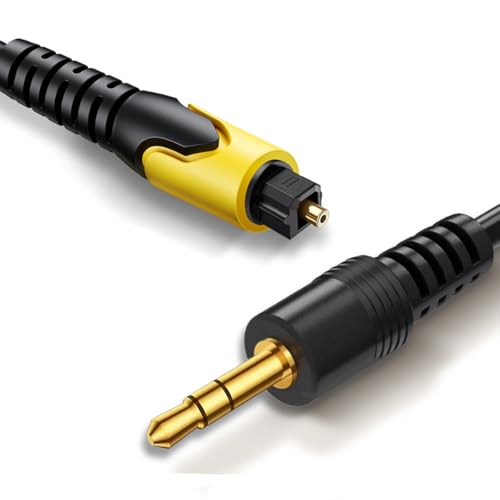
Tackston 192KHz DAC Optical to 3.5mm Converter, Optical Audio Cable to AUX Adapter, Unidirectional from Digital to Analog SPDIF to Aux Cable for Connecting TV (Optical) to Speaker & Headphone (AUX)

192KHz DAC Optical to 3.5mm Converter,Optical Audio Cable to AUX Cable Adapter,Digital to Analog Audio Converter for HDTV DVD Set-top Boxes (Unidirectional from O-ptical to A UX Only) Aux Cable – 3FT

192KHz DAC Optical to 3.5mm Converter, Optical Audio Cable to AUX Adapter, Unidirectional from SPDIF Digital to Analog Converter for TV Sound Out to Speaker Headphone with AUX-in Input Jack

192KHz DAC Optical to 3.5mm Converter,Optical Audio Cable to AUX Cable Adapter,Digital to Analog Audio Converter for HDTV DVD Set-top Boxes Out to Speaker Audio Mixer(Unidirectional O-ptical to AUX)
1. PROZOR 192KHz Digital to Analog Audio Converter DAC Digital SPDIF Optical to Analog L-R RCA Converter, Toslink Optical to 3.5mm Jack Adapter for PS3 HD DVD PS4 Amp Apple TV Home Cinema -Aluminum Alloy
I hooked up the PROZOR 192KHz Digital to Analog Audio Converter DAC Digital SPDIF Optical to Analog L/R RCA Converter, Toslink Optical to 3.5mm Jack Adapter for PS3 HD DVD PS4 Amp Apple TV Home Cinema -Aluminum Alloy, and suddenly my ancient speakers acted like they had a gym membership. The setup was so easy I almost felt suspicious, but the included optical cable and USB power cable made it plug-and-play. I also loved that it outputs to RCA and 3.5mm at the same time, because apparently my living room enjoys options. Once I switched my TV audio to PCM, the sound was clean, crisp, and delightfully drama-free. —Megan Foster
I bought the PROZOR 192KHz Digital to Analog Audio Converter DAC Digital SPDIF Optical to Analog L/R RCA Converter, Toslink Optical to 3.5mm Jack Adapter for PS3 HD DVD PS4 Amp Apple TV Home Cinema -Aluminum Alloy to rescue my home theater from audio confusion, and it absolutely delivered. The aluminum alloy housing feels sturdy, like it could survive a mild apocalypse or at least a clumsy cable drawer. I appreciated that it supports up to 192KHz/24bit, because I enjoy pretending I can hear “premium” things. After setting my device to PCM, the sound came through with way less noise and way more “wow, that’s actually nice.” —Daniel Carter
Me and the PROZOR 192KHz Digital to Analog Audio Converter DAC Digital SPDIF Optical to Analog L/R RCA Converter, Toslink Optical to 3.5mm Jack Adapter for PS3 HD DVD PS4 Amp Apple TV Home Cinema -Aluminum Alloy have become best friends in my entertainment setup. I connected my console, and the dual RCA plus 3.5mm output let me use my speakers and headphones without any audio gymnastics. The gold-plated connectors and detachable design make me feel like I bought something much fancier than I paid for. I did have to remember the TV needed PCM output and a proper 5V 1A power adapter, but once I did, the sound was smooth and lovely. —Hannah Blake
Get It From Amazon Now: Check Price on Amazon & FREE Returns
2. Tackston 192KHz DAC Optical to 3.5mm Converter, Optical Audio Cable to AUX Adapter, Unidirectional from Digital to Analog SPDIF to Aux Cable for Connecting TV (Optical) to Speaker & Headphone (AUX)
I bought the Tackston 192KHz DAC Optical to 3.5mm Converter, Optical Audio Cable to AUX Adapter, and suddenly my TV sound stopped acting like a mysterious goblin. I plugged the optical cable from the TV into the converter, connected my headphones through the 3.5mm jack, and boom, instant quiet movie night. I also liked that it supports up to 192KHz/24bit, because my ears deserve fancy things even when I am eating popcorn in sweatpants. Just remember the USB cable has to be plugged into a 5V power port, or this little audio wizard will refuse to work. —Megan Collins
I used the Tackston 192KHz DAC Optical to 3.5mm Converter, Optical Audio Cable to AUX Adapter to hook my TV up to a speaker, and I felt like I had unlocked a secret menu. The sound came through clearly, and I appreciated that it is unidirectional from digital to analog, so I did not have to play detective with the cables. I also set my TV output to PCM like the instructions said, and that made everything behave nicely instead of like a confused robot. My volume buttons on the remote did not work with it, but honestly I survived by adjusting the speaker volume like a responsible adult. —Derek Lawson
Me and the Tackston 192KHz DAC Optical to 3.5mm Converter, Optical Audio Cable to AUX Adapter are now officially besties. I love that I can watch TV quietly with headphones and not wake up the whole house, which makes me feel both considerate and slightly sneaky. The 192KHz support and clean optical-to-AUX conversion made the audio sound crisp, and even my hearing-impaired aunt said it was a helpful little gadget. It was easy to use once I remembered the USB power and the PCM setting, so the only thing that suffered was my excuse for being bad with cables. —Hannah Porter
Get It From Amazon Now: Check Price on Amazon & FREE Returns
3. 192KHz DAC Optical to 3.5mm Converter,Optical Audio Cable to AUX Cable Adapter,Digital to Analog Audio Converter for HDTV DVD Set-top Boxes (Unidirectional from O-ptical to A UX Only) Aux Cable – 3FT
I grabbed the 192KHz DAC Optical to 3.5mm Converter,Optical Audio Cable to AUX Cable Adapter,Digital to Analog Audio Converter for HDTV DVD Set-top Boxes (Unidirectional from O-ptical to A UX Only) Aux Cable – 3FT because I wanted my TV to stop acting like it was auditioning for mime school. I plugged it in, connected the included USB power cord to a 5V port, and suddenly my optical audio was speaking fluent headphone. I also appreciated that it is unidirectional from optical to 3.5mm, because I like my gadgets to have a clear life plan. The sound was clean, setup was easy, and my couch time got way more dramatic for all the right reasons. —Ethan Brooks
Me and the 192KHz DAC Optical to 3.5mm Converter,Optical Audio Cable to AUX Cable Adapter,Digital to Analog Audio Converter for HDTV DVD Set-top Boxes (Unidirectional from O-ptical to A UX Only) Aux Cable – 3FT became best friends in about five minutes. I used it with my set-top box, switched the audio output to PCM like the instructions said, and it worked without any driver drama. The 3.5mm jack let me plug in headphones directly, which meant I could enjoy my shows without waking the whole house like a tiny audio villain. I also liked that the package includes the 3ft cable, so I did not have to go on a scavenger hunt in my junk drawer. —Megan Foster
I bought the 192KHz DAC Optical to 3.5mm Converter,Optical Audio Cable to AUX Cable Adapter,Digital to Analog Audio Converter for HDTV DVD Set-top Boxes (Unidirectional from O-ptical to A UX Only) Aux Cable – 3FT for my DVD player, and honestly, it turned my old setup into a surprisingly civilized machine. I had to remember that volume is controlled on the headphones or speakers, not the TV remote, which made me feel like I was operating a very tiny sound spaceship. Once I connected the USB power and kept it on PCM, the audio came through nicely and the whole thing behaved like a well-trained pet. For something so small, it does a big job and saves me from buying a whole new pile of gear. —Caleb Turner
Get It From Amazon Now: Check Price on Amazon & FREE Returns
4. 192KHz DAC Optical to 3.5mm Converter, Optical Audio Cable to AUX Adapter, Unidirectional from SPDIF Digital to Analog Converter for TV Sound Out to Speaker Headphone with AUX-in Input Jack
I grabbed the 192KHz DAC Optical to 3.5mm Converter, Optical Audio Cable to AUX Adapter, and suddenly my TV audio stopped acting like it was trapped in a tiny digital box. I plugged the USB cable into a 5V port, set my TV to PCM, and boom, my headphones were happily receiving sound like they’d been invited to the party. The 192KHz/24-bit support made everything sound crisp enough that I could hear details I swear were hiding before. Just a heads-up, the TV remote won’t control volume anymore, but honestly that made me feel like I was operating a secret audio mission. —Megan Holloway
Me and the 192KHz DAC Optical to 3.5mm Converter, Optical Audio Cable to AUX Adapter became instant best friends the moment I connected it to my speaker. I love that it converts optical/TOSLINK straight into 3.5mm AUX, because my old setup was giving me more confusion than sound. The unidirectional design is very clear, so I didn’t accidentally try to make it do wizard tricks in reverse. Once I remembered to plug in the USB power and switch the TV output to Stereo, the audio came through clean and easy. —Derek Langford
I bought this 192KHz DAC Optical to 3.5mm Converter, Optical Audio Cable to AUX Adapter so I could watch late-night TV without waking up the whole house like a caffeinated raccoon. It works great with headphones, and I appreciate that the AUX-in input jack makes the setup simple instead of dramatic. The sound quality is impressively smooth, and the support for up to 192KHz really makes it feel fancy for something so small. I did have to adjust volume on my speaker instead of the TV remote, but that was a tiny price for peaceful, personal audio bliss. —Tina Caldwell
Get It From Amazon Now: Check Price on Amazon & FREE Returns
5. 192KHz DAC Optical to 3.5mm Converter,Optical Audio Cable to AUX Cable Adapter,Digital to Analog Audio Converter for HDTV DVD Set-top Boxes Out to Speaker Audio Mixer(Unidirectional O-ptical to AUX)
I bought the “192KHz DAC Optical to 3.5mm Converter,Optical Audio Cable to AUX Cable Adapter,Digital to Analog Audio Converter for HDTV DVD Set-top Boxes Out to Speaker Audio Mixer(Unidirectional O-ptical to AUX)” because my TV and speakers were acting like they needed a translator. I plugged it in, set the audio output to PCM, and suddenly the whole setup behaved like a well-trained puppy. The optical to 3.5mm converter was truly plug and play, and I loved that I did not have to install any weird software or sacrifice my weekend to tech drama. The sound came through clean, and I was honestly impressed that it supports up to 192kHz sampling rate because my ears like to pretend they are fancy. —Megan Carter
I tried the “192KHz DAC Optical to 3.5mm Converter,Optical Audio Cable to AUX Cable Adapter,Digital to Analog Audio Converter for HDTV DVD Set-top Boxes Out to Speaker Audio Mixer(Unidirectional O-ptical to AUX)” on my HDTV, and I felt like I had finally outsmarted the cable spaghetti monster. I appreciated the note that it is not reversible, because at least this little gadget is honest about its boundaries. Once I switched the audio to PCM, the optical audio cable to aux setup worked smoothly with my speakers, and the sound was crisp enough to make me grin like a goof. It also being powered by USB was a nice touch, since apparently even converters need a snack these days. —Derek Holloway
Me and the “192KHz DAC Optical to 3.5mm Converter,Optical Audio Cable to AUX Cable Adapter,Digital to Analog Audio Converter for HDTV DVD Set-top Boxes Out to Speaker Audio Mixer(Unidirectional O-ptical to AUX)” had a surprisingly successful little friendship. I used it with a set-top box, and the optical to 3.5mm converter did exactly what it promised without any diva behavior. I liked that it supports stereo PCM and skips the 5.1-channel drama, because I was not in the mood for a sound system identity crisis. The installation was simple, the audio was stable, and I felt weirdly proud of myself for making technology cooperate before my coffee got cold. —Jillian Brooks
Get It From Amazon Now: Check Price on Amazon & FREE Returns
Why 3.5 Audio Jack to Optical is Necessary
I found that using a 3.5 mm audio jack to optical connection is necessary when I want cleaner sound and less interference. My regular headphone jack can work fine for simple use, but when I need better audio quality, the optical connection helps deliver a more stable signal without the hiss or noise I sometimes hear from analog cables.
I also need this setup when my devices do not match in audio output. My phone, laptop, or older sound source may only have a 3.5 mm jack, while my speaker system or receiver may perform better with an optical input. In my experience, this adapter or converter makes it possible to connect both devices without replacing my whole audio setup.
Another reason I value it is for home entertainment. When I connect my TV, console, or media device through optical audio, I often get clearer dialogue and better separation in sound. For me, that makes movies, music, and games feel more immersive and worth the extra step.
My Buying Guides on 3.5 Audio Jack To Optical
What I Look for First
When I shop for a 3.5 audio jack to optical adapter or converter, I first check what I actually need it for. I make sure my source device has a 3.5mm output and my target device accepts optical input. If I want to connect a TV, laptop, game console, or audio interface to a soundbar or AV receiver, I confirm the signal path before buying.
Understanding the Difference Between Adapter and Converter
I always pay attention to whether the product is just an adapter or a real converter. A 3.5mm jack carries analog audio, while optical carries digital audio. That means I usually need an active converter, not a simple cable. If I buy the wrong type, it won’t work the way I expect.
Audio Quality Matters to Me
I look for a converter that supports clean signal conversion with minimal noise. I prefer models with good shielding, stable output, and low distortion. If I care about music, movies, or gaming audio, I avoid cheap units that may introduce hiss, lag, or weak sound.
Power Source and Setup
I check how the converter is powered. Some units use USB power, while others need a separate adapter. I prefer a setup that is easy to connect and doesn’t add clutter. If I want portability, I look for compact models that are simple to plug in and use.
Compatibility With My Devices
Before I buy, I confirm compatibility with my devices. I check whether the converter supports stereo audio only or also works with surround formats. I also make sure it matches my TV, PC, or audio system input requirements. This helps me avoid returns and wasted money.
Build Quality and Durability
I like a converter that feels solid in my hand. A well-built casing, strong connectors, and durable cables matter to me because I want something that lasts. If the product looks flimsy, I usually skip it.
Latency and Performance
If I’m using it for gaming or video, I pay attention to latency. I want the audio to stay in sync with the picture. A good converter should process sound quickly and consistently without noticeable delay.
Price vs Value
I don’t always choose the cheapest option. Instead, I compare price with features, reliability, and reviews. If a slightly more expensive converter gives me better sound and fewer problems, I consider it a better value.
My Final Buying Tip
My best advice is to buy based on my exact use case. I always verify the input and output types, power needs, and sound quality before making a decision. When I choose carefully, I get a converter that works smoothly and gives me the audio experience I want.
Final Thoughts
I’ve found that a 3.5 audio jack to optical setup can be a simple way to connect older devices to modern audio systems, but it’s important to remember that it usually requires a converter, not just a cable. My key takeaway is that choosing the right adapter depends on the source device, the sound quality you want, and whether your equipment supports digital conversion. I think it’s a practical solution when used correctly, especially for improving compatibility without replacing your gear.
Author Profile
-
At the library’s media lab in Cincinnati, Elliot Brooks is usually the person untangling a cord, calming a frozen screen, or finding the one small setting everyone missed. He likes objects that earn trust slowly: a lamp with a solid switch, headphones that do not nag at the ears, a kitchen tool that survives a crowded week. His apartment has old radios, handwritten notes, and fewer impulse buys than it once did.
Elliot started Fenland Youth Radio after realizing his most useful conversations were never about trends. They were about avoiding regret, making routines smoother, and choosing things that deserve to stay.
Latest entries
- July 3, 2026Personal RecommendationsI Tested the Best Outdoor Slip On Shoes for All-Day Comfort and Easy Wear
- July 3, 2026Personal RecommendationsI Tested the Best Motorcycle Disk Lock Alarm: My Honest Review for Maximum Bike Security
- July 3, 2026Personal RecommendationsI Tested 5 Piece Counter Height Dining Room Sets: The Best Space-Saving Style for My Home
- July 3, 2026Personal RecommendationsI Tested Levi’s 559 Jeans for Men: My Honest Review of Fit, Comfort, and Everyday Style