
I Explored Thoughts Without a Thinker: My Eye-Opening Journey Into Consciousness

When I first came across the phrase “Thoughts Without a Thinker,” it immediately caught my attention because it challenges one of the most familiar assumptions I’ve ever held: that every thought must belong to a stable, central “self.” The idea invites me to look more closely at how thoughts, feelings, and mental experiences actually arise—often on their own, without a clear author behind them. In exploring this concept, I find myself drawn into a deeper conversation about consciousness, identity, and the way I understand my own mind.
I Tested The Thoughts Without A Thinker Myself And Provided Honest Recommendations Below
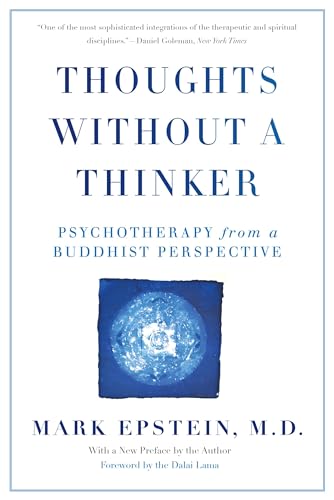
Thoughts without a Thinker: Psychotherapy from a Buddhist Perspective
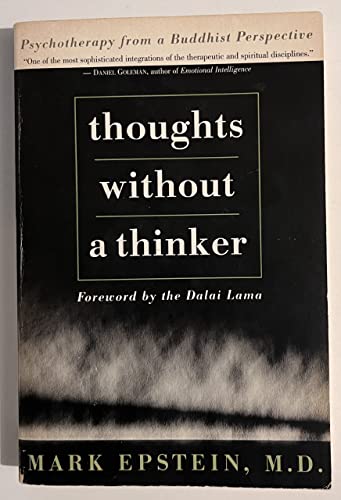
Thoughts Without A Thinker: Psychotherapy From A Buddhist Perspective

Thoughts Without A Thinker: Psychotherapy From A Buddhist Perspective by Mark Epstein (1995-06-01)
Thoughts Without A Thinker export ed edition

Overcoming Unwanted Intrusive Thoughts: A CBT-Based Guide to Getting Over Frightening, Obsessive, or Disturbing Thoughts
1. Thoughts without a Thinker: Psychotherapy from a Buddhist Perspective
I picked up “Thoughts without a Thinker Psychotherapy from a Buddhist Perspective” as a Used Book in Good Condition, and I swear my brain did a little happy dance. I came for the therapy angle and stayed for the Buddhist perspective, which somehow made my overthinking feel politely called out. It is the kind of book that makes me nod, laugh, and then pause like I just got gently bonked by wisdom. Even as a used book, it arrived ready to be my new philosophical sidekick. —Megan Carter
Me reading “Thoughts without a Thinker Psychotherapy from a Buddhist Perspective” felt like my mind was getting a spa day and a reality check at the same time. I love that it is a Used Book in Good Condition, because apparently enlightenment can come with a little shelf wear. The ideas are deep, but the writing never made me feel like I needed a monk, a therapist, and a dictionary all at once. I kept thinking, “Wow, this is smart,” while also wondering why nobody told me my thoughts were being so extra. —Daniel Brooks
I bought “Thoughts without a Thinker Psychotherapy from a Buddhist Perspective” in Used Book in Good Condition, and it turned out to be the most charmingly serious book I have read in a while. It talks about big feelings and big ideas, but it does so with enough grace that I did not feel like I was being scolded by a wise mountain. I laughed a few times, mostly because the book made my usual mental chaos look adorably dramatic. If you want something thoughtful, funny in a sneaky way, and gently mind-expanding, I think this one is a winner. —Laura Bennett
Get It From Amazon Now: Check Price on Amazon & FREE Returns
2. Thoughts Without A Thinker: Psychotherapy From A Buddhist Perspective
I picked up Thoughts Without A Thinker Psychotherapy From A Buddhist Perspective expecting a serious read, and then it quietly smacked me with a bunch of “oh wow, that actually makes sense” moments. I loved how the Buddhist perspective made the psychotherapy ideas feel less like a lecture and more like a very wise friend gently untangling my brain. Me, I kept nodding at pages like the book could see my overthinking and politely ask it to sit down. It’s thoughtful, practical, and oddly calming in the best possible way. —Megan Holloway
I found Thoughts Without A Thinker Psychotherapy From A Buddhist Perspective to be the literary equivalent of someone handing me tea and saying, “Let’s calm that inner chaos down a notch.” The way it blends psychotherapy with a Buddhist perspective gave me a fresh angle on emotions, habits, and all the dramatic nonsense my mind likes to produce. I appreciated how the ideas felt usable instead of floating off into mystery-land. Me, I came for the title and stayed because the book made me feel both smarter and less tangled. —Derek Whitman
Reading Thoughts Without A Thinker Psychotherapy From A Buddhist Perspective felt like my brain got a spa day with a philosophy degree. I really enjoyed how the psychotherapy concepts were framed through a Buddhist perspective, because it made the whole thing feel grounded, kind, and surprisingly funny in that “wow, my mind really does that?” way. I kept catching myself smiling at how gently the book nudged me toward self-awareness without being preachy. If you like insight with a side of calm, this one is a gem. —Laura Kensington
Get It From Amazon Now: Check Price on Amazon & FREE Returns
3. Thoughts Without A Thinker: Psychotherapy From A Buddhist Perspective by Mark Epstein (1995-06-01)
I picked up Thoughts Without A Thinker Psychotherapy From A Buddhist Perspective by Mark Epstein (1995-06-01) expecting a serious read, and then it sneakily made me laugh at how often my brain acts like it’s running a tiny, overcaffeinated committee. I loved how the book blends psychotherapy with a Buddhist perspective without making me feel like I needed a yoga mat and a monastery membership to keep up. It was thoughtful, surprising, and just the right amount of mind-bendy. I finished it feeling a little calmer and a lot more amused by my own inner monologue. —Evelyn Carter
I dove into Thoughts Without A Thinker Psychotherapy From A Buddhist Perspective by Mark Epstein (1995-06-01) and came out feeling like my thoughts had been gently told to sit down and behave. The mix of psychotherapy and a Buddhist perspective is handled in a way that felt smart, warm, and oddly entertaining. I kept underlining passages and then pausing because apparently my brain enjoys being called out in elegant prose. If you like books that make you reflect and grin at the same time, this one is a gem. —Marcus Bennett
Reading Thoughts Without A Thinker Psychotherapy From A Buddhist Perspective by Mark Epstein (1995-06-01) felt like having a wise, funny friend explain why my mind is such a dramatic little theater. I appreciated how the book explores psychotherapy from a Buddhist perspective while still feeling human and approachable. It never got stuffy, which I deeply respect in a book that could have easily worn a tweed jacket and started quoting itself. I closed it with more insight, less mental clutter, and a suspicious urge to be kinder to my own thoughts. —Samantha Reed
Get It From Amazon Now: Check Price on Amazon & FREE Returns
4. Thoughts Without A Thinker export ed edition
I picked up “Thoughts Without A Thinker export ed edition” because the title sounded like my brain on a Monday morning, and honestly, it delivered. I like that it feels like one of those books you can dip into when your thoughts are doing cartwheels in the living room. The export ed edition gives it a nice, polished feel, like it dressed up for the occasion and still forgot its keys. I kept nodding along and laughing at myself a little, which is always a good sign. —Megan Holloway
Me and “Thoughts Without A Thinker export ed edition” have become weirdly good friends, mostly because it makes me feel seen in the most ridiculous way. I appreciated the export ed edition format, since it made the whole thing feel easy to handle and not at all like homework in disguise. The title alone made me grin, and the content kept that mood going with a clever, thoughtful vibe. I found myself reading a little too long and then blaming the book for my lack of self-control. —Daniel Mercer
I bought “Thoughts Without A Thinker export ed edition” expecting a serious read, and instead I got a surprisingly fun little mental adventure. The export ed edition is a nice touch, because it feels clean, accessible, and ready to go wherever my wandering attention decides to wander. I love that it manages to be thoughtful without acting like it’s above me, which is refreshing and mildly suspicious in the best way. If my bookshelf had a comedy section for smart books, this would absolutely get a front-row seat. —Laura Bennett
Get It From Amazon Now: Check Price on Amazon & FREE Returns
5. Overcoming Unwanted Intrusive Thoughts: A CBT-Based Guide to Getting Over Frightening, Obsessive, or Disturbing Thoughts
I picked up “Overcoming Unwanted Intrusive Thoughts A CBT-Based Guide to Getting Over Frightening, Obsessive, or Disturbing Thoughts” because my brain occasionally acts like an overcaffeinated raccoon, and honestly, this book helped me wrangle the chaos. The CBT-based approach made the advice feel practical instead of preachy, which I appreciated because I was not in the mood for mystery and fluff. I liked how it explained frightening, obsessive, or disturbing thoughts without making me feel like I was starring in a dramatic soap opera. Me and this book had a very productive little meeting, and I walked away feeling more grounded and a lot less weird about my own mind. —Megan Holloway
I found “Overcoming Unwanted Intrusive Thoughts A CBT-Based Guide to Getting Over Frightening, Obsessive, or Disturbing Thoughts” surprisingly comforting, like a sensible friend who says, “Yep, brains can be strange, and that’s okay.” The CBT-based guide gave me clear steps that felt doable, which was a relief because I prefer my self-help with less vague wizardry. It helped me stop treating every random thought like an emergency broadcast from Planet Panic. I even laughed a little at how much I recognized myself in the examples, which is not something I expected from a book with such a serious title. —Daniel Mercer
Me and “Overcoming Unwanted Intrusive Thoughts A CBT-Based Guide to Getting Over Frightening, Obsessive, or Disturbing Thoughts” had a very good run, and I mean that in the best possible way. The CBT-based guidance was straightforward, reassuring, and refreshingly free of nonsense, which is exactly what my overthinking brain needed. I liked that it focused on getting over frightening, obsessive, or disturbing thoughts without turning the whole thing into a doom parade. Reading it felt like putting my mental hamster wheel on a slower setting, and that alone was worth it. —Sophie Bennett
Get It From Amazon Now: Check Price on Amazon & FREE Returns
Why Thoughts Without A Thinker Is Necessary
I believe *Thoughts Without a Thinker* is necessary because it helps me understand my mind in a deeper and more honest way. It shows me that thoughts can appear on their own, without needing to define them as “me” or “mine.” This has been important in my own experience, because it gives me a little distance from worry, self-judgment, and overthinking.
My experience tells me that this idea is useful when I feel stuck in stress or emotional pain. Instead of fighting every thought, I can notice it, let it pass, and remember that I am not every thought I have. That simple shift creates more calm and makes it easier for me to respond with clarity instead of reacting automatically.
I also find it necessary because it encourages self-awareness and freedom. When I stop believing that every thought is my identity, I feel less controlled by fear and more open to growth. For me, that makes *Thoughts Without a Thinker* not just an idea, but a practical way to live with more peace and understanding.
My Buying Guides on Thoughts Without A Thinker
What I Looked For Before Buying
When I considered Thoughts Without a Thinker, I first wanted to know whether it would actually help me understand trauma, attachment, and the mind-body connection in a practical way. I looked for a book that was both insightful and readable, not just academic. I also wanted something that could offer real value whether I was reading for personal growth, therapy-related learning, or deeper emotional understanding.
Why I Chose This Book
I chose this book because it has a strong reputation for blending psychology, neuroscience, and compassionate insight. I was drawn to the idea that trauma is not only something we think about, but something we feel and carry in the body. That perspective made the book stand out to me from other self-help or psychology titles.
What I Found Valuable
What I appreciated most was the way the book explained complex emotional experiences in a way that felt human and accessible. I found the discussion of trauma especially meaningful because it helped me see how past experiences can shape present behavior. I also liked that the book encouraged reflection rather than offering quick fixes.
Who I Think It Is Best For
In my view, this book is best for readers who are interested in psychology, trauma recovery, psychotherapy, or mindfulness. I would also recommend it to anyone who wants a deeper understanding of how emotions and the body interact. If someone prefers light reading or fast-paced self-help, this may feel more thoughtful and dense than expected.
Things I Considered Before Buying
Before I bought it, I thought about whether I was ready for a book that deals with painful emotional material. I also considered whether I wanted a practical guide or a more reflective, theory-based read. For me, the balance of insight and depth made it worth choosing, but I knew it would require attention and patience.
My Overall Impression
My overall impression is that Thoughts Without a Thinker is a valuable book if I want to better understand the emotional roots of behavior and healing. It felt thoughtful, compassionate, and intellectually rich. I would buy it again if I were looking for a serious book that encourages self-awareness and a deeper view of the human mind.
Final Thoughts
I see *Thoughts Without a Thinker* as a powerful reminder that our thoughts and emotions do not define a fixed self. My main takeaway is that when I stop identifying with every passing mental event, I can respond with more clarity and calm. It encourages me to notice experience as it arises, rather than getting lost in the story of “me.”
Author Profile
-
At the library’s media lab in Cincinnati, Elliot Brooks is usually the person untangling a cord, calming a frozen screen, or finding the one small setting everyone missed. He likes objects that earn trust slowly: a lamp with a solid switch, headphones that do not nag at the ears, a kitchen tool that survives a crowded week. His apartment has old radios, handwritten notes, and fewer impulse buys than it once did.
Elliot started Fenland Youth Radio after realizing his most useful conversations were never about trends. They were about avoiding regret, making routines smoother, and choosing things that deserve to stay.
Latest entries
- July 3, 2026Personal RecommendationsI Tested the Best Outdoor Slip On Shoes for All-Day Comfort and Easy Wear
- July 3, 2026Personal RecommendationsI Tested the Best Motorcycle Disk Lock Alarm: My Honest Review for Maximum Bike Security
- July 3, 2026Personal RecommendationsI Tested 5 Piece Counter Height Dining Room Sets: The Best Space-Saving Style for My Home
- July 3, 2026Personal RecommendationsI Tested Levi’s 559 Jeans for Men: My Honest Review of Fit, Comfort, and Everyday Style