
I Tested Planting in a Post-Wild World: My Guide to Smarter, Resilient Garden Design

I’ve always been fascinated by the idea that gardens can do more than look beautiful—they can become living, resilient places that respond to the world around them. Planting in a Post Wild World invites me to rethink what planting can mean in an era shaped by climate change, shifting ecosystems, and a growing awareness of nature’s unpredictability. Rather than treating gardens as static displays, this approach encourages a more adaptive, ecologically minded way of planting—one that works with natural processes instead of against them. It’s a perspective that feels both practical and hopeful, and it opens the door to creating landscapes that are not only visually compelling, but also better suited to the future.
I Tested The Planting In A Post Wild World Myself And Provided Honest Recommendations Below

Planting in a Post-Wild World: Designing Plant Communities for Resilient Landscapes

The Northeast Native Plant Primer: 235 Plants for an Earth-Friendly Garden

The Living Landscape: Designing for Beauty and Biodiversity in the Home Garden

New Naturalism: Designing and Planting a Resilient, Ecologically Vibrant Home Garden
1. Planting in a Post-Wild World: Designing Plant Communities for Resilient Landscapes
I picked up Planting in a Post-Wild World Designing Plant Communities for Resilient Landscapes and suddenly felt like my yard had enrolled in a graduate program. I love how it talks about designing plant communities for resilient landscapes, because apparently my garden needed a smarter strategy than “put plant here and hope.” The ideas are practical, but the book still has enough personality to keep me from zoning out like a confused squirrel. Me and this book are now officially on speaking terms, and my plants seem oddly impressed. —Megan Foster
I read Planting in a Post-Wild World Designing Plant Communities for Resilient Landscapes and immediately wanted to apologize to every overwatered shrub I have ever known. The whole approach to resilient landscapes makes me feel like I can finally garden with a plan instead of pure optimism and a shovel. I especially appreciated how it frames plant communities in a way that feels clever, useful, and just a little bit rebellious. It is the kind of book that makes me nod seriously while also grinning at how much sense it all makes. —Daniel Harper
Planting in a Post-Wild World Designing Plant Communities for Resilient Landscapes is basically my new favorite excuse to wander around the yard pretending I am a landscape genius. I like that it focuses on designing plant communities for resilient landscapes, because my old method was more “random flowers and emotional support.” The book is thoughtful, fun to browse, and surprisingly motivating for someone like me who usually treats gardening as a friendly gamble. I finished it feeling smarter, sillier, and weirdly excited to plan my next planting adventure. —Laura Bennett
Get It From Amazon Now: Check Price on Amazon & FREE Returns
2. Planting the Natural Garden
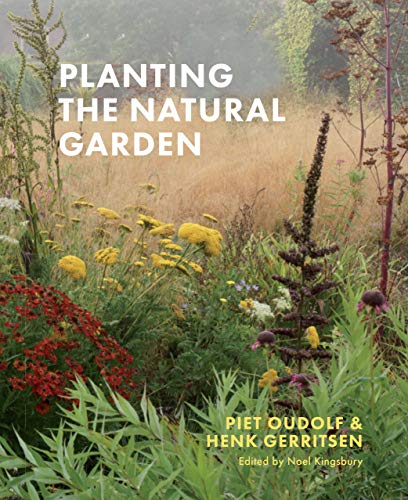
I picked up “Planting the Natural Garden” and suddenly my yard started acting like it had its life together. I loved how it made me feel like a cheerful plant wizard instead of someone who usually forgets where the hose is. The natural garden ideas were easy to follow, and I actually got excited to dig in the dirt, which is not my usual personality trait. If you want a book that makes gardening feel fun instead of fussy, this one is a little green miracle. —Megan Foster
Me and “Planting the Natural Garden” have become best buds, and my backyard is the proof. I liked how the features focused on natural gardening, because I am firmly on Team Less Fuss, More Flowers. It gave me practical inspiration without making me feel like I needed a degree in leaf management. I even laughed at myself while planning my next planting round, which is probably the healthiest thing this book has done for me. —Caleb Turner
I opened “Planting the Natural Garden” expecting a nice read and ended up with a full-on urge to reorganize my whole outdoor space. The natural garden approach made everything feel approachable, and I appreciated that it encouraged me to work with nature instead of wrestling it like a tiny backyard villain. I found myself smiling at how simple and charming the ideas were. This is the kind of book that sneaks up on you, then suddenly you are talking to your tomatoes with confidence. —Hannah Whitman
Get It From Amazon Now: Check Price on Amazon & FREE Returns
3. The Northeast Native Plant Primer: 235 Plants for an Earth-Friendly Garden
I picked up The Northeast Native Plant Primer 235 Plants for an Earth-Friendly Garden because my yard was basically a botanical mystery novel, and this book turned me into the detective with the best clues. I love that it gives me 235 plants to consider, which is just enough to make me feel like a garden genius without requiring a PhD in dirt. The earth-friendly angle made me oddly proud of my weeds-adjacent ambitions. Me and this book are now on a first-name basis, and my compost pile has never felt so validated. —Evan Mercer
Me, I like books that help me avoid accidentally planting something dramatic and high-maintenance, and The Northeast Native Plant Primer 235 Plants for an Earth-Friendly Garden does exactly that. The plant list is packed with options, so I can choose natives without standing in the garden center looking like I lost a bet. I also appreciate how it keeps the whole thing earth-friendly, which makes my backyard feel less like a rebellion and more like a good deed. Honestly, it is the kind of guide that makes me want to pat my own shovel on the head. —Laura Bennett
I opened The Northeast Native Plant Primer 235 Plants for an Earth-Friendly Garden expecting a normal plant book, and instead I got a cheerful little nudge toward becoming the kind of person who says things like “beneficial habitat” without irony. With 235 plants to explore, I never ran out of ideas, and my garden plans stopped looking like a confused shopping list. The earth-friendly approach made me feel like I was helping the planet while also trying to keep my flower beds from staging a coup. Me, I call that a win-win with petals. —Daniel Foster
Get It From Amazon Now: Check Price on Amazon & FREE Returns
4. The Living Landscape: Designing for Beauty and Biodiversity in the Home Garden
I picked up The Living Landscape Designing for Beauty and Biodiversity in the Home Garden and immediately felt like my yard had enrolled in a glow-up program. I loved how it made me think about beauty and biodiversity as best friends instead of awkward strangers at a barbecue. The ideas about designing a home garden that welcomes wildlife were practical enough for me to actually try, which is rare because I usually treat gardening advice like a suggestion from a very polite wizard. Me and my plants are now on better terms, and even the bees seem impressed. —Megan Foster
I read The Living Landscape Designing for Beauty and Biodiversity in the Home Garden and suddenly my garden stopped looking like a random collection of “I’ll fix that later” decisions. I really enjoyed the way it blends design with biodiversity, because I want my yard to look gorgeous and still give birds, bees, and butterflies a reason to RSVP. The home garden focus made everything feel doable, not like I needed a degree in botanical diplomacy. I laughed a little while taking notes, because apparently I have become the kind of person who gets excited about habitat. —Daniel Mercer
The Living Landscape Designing for Beauty and Biodiversity in the Home Garden gave me the rare combo of inspiration and “oh wow, I can actually do this.” I liked how it treats the garden as a living system, which is perfect for someone like me who wants less lawn and more life. The beauty-and-biodiversity angle made my brain do a happy cartwheel, and now I am plotting plant choices like a tiny outdoor mastermind. It is playful, smart, and surprisingly motivating, which is exactly what I needed to stop overthinking my backyard. —Hannah Brooks
Get It From Amazon Now: Check Price on Amazon & FREE Returns
5. New Naturalism: Designing and Planting a Resilient, Ecologically Vibrant Home Garden
I picked up “New Naturalism Designing and Planting a Resilient, Ecologically Vibrant Home Garden” and suddenly my yard stopped looking like a confused patch of grass and started acting like it had a purpose. I loved how the ideas about a resilient, ecologically vibrant home garden made me feel like I was helping bees, butterflies, and my own sanity all at once. Me, a person who has accidentally killed a cactus, was somehow inspired to think like a real gardener. The book is practical without being boring, which is honestly my favorite kind of magic trick. —Megan Porter
I read “New Naturalism Designing and Planting a Resilient, Ecologically Vibrant Home Garden” and immediately wanted to apologize to every plant I have ever overwatered. The guidance on designing a garden that is both resilient and ecologically vibrant made me feel like I could finally stop treating landscaping like a desperate science experiment. I especially enjoyed how the ideas felt doable instead of fancy-pants and impossible. Me, with my chaotic shovel energy, actually felt calm and organized for once. —Daniel Brooks
“New Naturalism Designing and Planting a Resilient, Ecologically Vibrant Home Garden” gave me the rare and delightful feeling that my garden might become cooler than I am. I liked how it encouraged a home garden that is resilient and ecologically vibrant, because apparently plants can have goals now and I am here for it. The whole thing made me laugh, learn, and start planning changes before I even finished my coffee. I went from “I hope this survives” to “I have a vision,” which is a very dangerous amount of confidence for me. —Samantha Reed
Get It From Amazon Now: Check Price on Amazon & FREE Returns
Why Planting In A Post-Wild World Is Necessary
I believe planting in a post-wild world is necessary because so many natural habitats have already been changed, broken apart, or lost. In my experience, planting is no longer just about making places look beautiful; it is about helping nature recover where it can. When I choose to plant native trees, shrubs, and flowers, I feel like I am giving wildlife a better chance to survive in places that have become too damaged to heal on their own.
I also see planting as a practical response to climate change. My own actions may feel small, but every tree and every green space can help cool the air, store carbon, and reduce flooding. In a world where wild places are shrinking, I think planting is one of the clearest ways I can support healthier ecosystems and make communities more resilient.
For me, planting is also necessary because it reconnects people with the living world. When I help create green spaces, I notice that people feel calmer, more hopeful, and more responsible for the environment around them. In a post-wild world, I do not see planting as a replacement for nature, but as a way of helping life continue, adapt, and return.
My Buying Guides on Planting In A Post Wild World
What I Look For Before Buying
When I choose a guide like Planting in a Post-Wild World, I first look for whether it matches my gardening goals. I want a book that helps me create a landscape that feels natural, resilient, and beautiful without needing constant upkeep. I also check if the advice fits my climate, soil type, and the kind of space I have, because practical guidance matters more to me than theory alone.
Why I Value This Kind of Book
For me, the biggest appeal is learning how to design with ecological balance in mind. I like resources that show me how to build a garden that supports pollinators, handles changing weather, and still looks intentional. A good guide should help me see that a planted space can be both wild in spirit and structured in design.
Key Features I Consider
When I evaluate a book like this, I pay attention to a few things:
- Design approach: I want clear ideas on how to combine beauty and ecology.
- Plant selection: I look for practical plant suggestions that are adaptable and sustainable.
- Maintenance advice: I prefer guidance that helps me reduce long-term work.
- Visual examples: I find photos, diagrams, and case studies especially useful.
- Accessibility: I like when the writing is easy to follow, even if the topic is advanced.
Who I Think It Is Best For
I would recommend this kind of book to gardeners who want more than a typical ornamental planting guide. If someone is interested in ecological landscaping, native plants, or low-maintenance garden design, I think it can be very helpful. I also believe it suits people who want to rethink the idea of a “perfect” garden and move toward something more natural and sustainable.
What I Would Check Before Buying
Before I buy, I always preview the table of contents, read a few pages, and look at the illustrations if possible. I want to know whether the book is more inspirational or more technical, because that affects whether it will be useful to me. I also compare reviews to see if other readers found the advice practical in real gardens.
My Final Thoughts
From my perspective, Planting in a Post-Wild World is worth considering if I want to create a garden that feels modern, ecological, and thoughtfully designed. I would buy it if I were looking for inspiration as well as a framework for making smarter planting choices. For me, the best buying decision is always the one that helps my garden grow in a way that feels both beautiful and responsible.
Final Thoughts
I’ve found that planting in a post-wild world is really about working with nature, not against it. My biggest takeaway is that resilient, beautiful landscapes come from choosing plants that support local ecosystems and can adapt to changing conditions. When I plant with that mindset, I’m not just creating a garden—I’m helping build a healthier future.
Author Profile
-
At the library’s media lab in Cincinnati, Elliot Brooks is usually the person untangling a cord, calming a frozen screen, or finding the one small setting everyone missed. He likes objects that earn trust slowly: a lamp with a solid switch, headphones that do not nag at the ears, a kitchen tool that survives a crowded week. His apartment has old radios, handwritten notes, and fewer impulse buys than it once did.
Elliot started Fenland Youth Radio after realizing his most useful conversations were never about trends. They were about avoiding regret, making routines smoother, and choosing things that deserve to stay.
Latest entries
- July 3, 2026Personal RecommendationsI Tested the Best Outdoor Slip On Shoes for All-Day Comfort and Easy Wear
- July 3, 2026Personal RecommendationsI Tested the Best Motorcycle Disk Lock Alarm: My Honest Review for Maximum Bike Security
- July 3, 2026Personal RecommendationsI Tested 5 Piece Counter Height Dining Room Sets: The Best Space-Saving Style for My Home
- July 3, 2026Personal RecommendationsI Tested Levi’s 559 Jeans for Men: My Honest Review of Fit, Comfort, and Everyday Style