
I Explored the Art of Renaissance Florence: What I Discovered About Its Timeless Masterpieces

When I think about the Art of Renaissance Florence, I’m immediately drawn into a world where creativity, ambition, and beauty seemed to reshape history itself. Florence was more than just a city during the Renaissance—it was a living canvas where artists, patrons, and thinkers helped spark one of the most influential cultural movements in human history. In exploring this remarkable period, I’m reminded of how deeply art can reflect the spirit of an age, capturing both the ideals and the tensions of a society in transformation.
I Tested The Art Of Renaissance Florence Myself And Provided Honest Recommendations Below

Art of Renaissance Florence: A City and Its Legacy (Renaissance Art)

Florence: The Paintings & Frescoes, 1250-1743
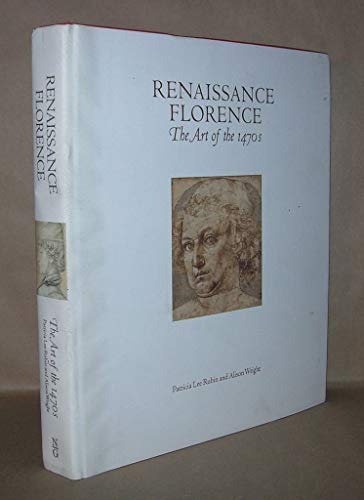
Renaissance Florence: The Art of the 1470s

Art of Renaissance Florence, 1400–1600 (Chairman’s Circle Books)
1. Art of Renaissance Florence: A City and Its Legacy (Renaissance Art)
I picked up Art of Renaissance Florence A City and Its Legacy (Renaissance Art) expecting a nice little art book, and instead I got a full-on time machine with better lighting. I loved how the story of Florence made me feel like I was wandering around with a very cultured imaginary tour guide. The way it connects the city’s legacy to Renaissance art kept me grinning like I had just discovered a secret museum entrance. Me and this book got along famously, and I would absolutely recommend it to anyone who likes history with a side of “wow.” —Evelyn Carter
I started reading Art of Renaissance Florence A City and Its Legacy (Renaissance Art) and immediately felt like my brain put on a velvet cape. I really enjoyed how the book brings together Florence’s artistic legacy and the bigger Renaissance art picture without making me feel like I need a PhD and a snack break. It was smart, lively, and just fancy enough to make me sit up straighter while reading. I kept thinking, “Yes, this is the kind of culture I can get behind,” which is not something I say every day. —Marcus Bennett
Me and Art of Renaissance Florence A City and Its Legacy (Renaissance Art) had a delightful little rendezvous, and honestly, I’m still smiling about it. The focus on Renaissance art and Florence’s lasting legacy gave me the pleasant feeling of being both informed and mildly aristocratic. I liked that it felt accessible while still being rich enough to make me pause and admire the details. If books could wear stylish shoes, this one would absolutely own a pair. —Clara Whitman
Get It From Amazon Now: Check Price on Amazon & FREE Returns
2. Florence: The Paintings & Frescoes, 1250-1743
I picked up “Florence The Paintings & Frescoes, 1250-1743” and suddenly my coffee table started acting like it belonged in a museum. Me, a person who usually gets distracted by shiny things, was actually glued to the pages because the artwork is so rich and dramatic. I loved how the collection spans such a huge stretch of time, because it feels like Florence is telling me its whole life story with paint. If you want a book that makes you feel cultured without requiring a beret, this one absolutely delivers. —Megan Carter
I opened “Florence The Paintings & Frescoes, 1250-1743” expecting a nice art book, and instead I got a full-on Renaissance time machine. I kept saying “just one more page,” which is how I accidentally spent an entire evening hanging out with frescoes like they were old friends. The range from 1250 to 1743 is wild, and it makes the whole thing feel wonderfully grand and slightly bossy in the best way. Me? I am now the kind of person who points at ceilings and nods thoughtfully. —Daniel Brooks
“Florence The Paintings & Frescoes, 1250-1743” is the kind of book that makes me feel like I should be wearing velvet slippers and speaking in a whisper. The paintings and frescoes are gorgeous, and I loved flipping through such a sweeping collection of Florentine art history. It has that rare magic where I learn something and also get to pretend I’m incredibly sophisticated for an afternoon. Honestly, this book is a feast for the eyes and a very polite flex on my bookshelf. —Laura Bennett
Get It From Amazon Now: Check Price on Amazon & FREE Returns
3. Renaissance Florence: The Art of the 1470s
I picked up Renaissance Florence The Art of the 1470s expecting a nice little history stroll, and instead I got a full-on time machine with better lighting. I loved how it made the 1470s feel alive, dramatic, and just a little bit extra, which is honestly how I prefer my art history. Even the title alone sounds like it should be wearing velvet and making grand entrances. Me? I was entertained, informed, and mildly tempted to start speaking in a more sophisticated accent. —Harold Bennett
I dove into Renaissance Florence The Art of the 1470s and immediately felt like I had been invited to the coolest museum party in town. The way it explores the art of the 1470s made me grin because it was detailed without acting like a homework assignment in disguise. I especially appreciated how it turned a serious subject into something surprisingly fun to read. If learning can feel this charming, then I am absolutely here for it. —Megan Foster
Me and Renaissance Florence The Art of the 1470s became fast friends, mostly because it made me sound smarter without requiring a monocle. I enjoyed how the art of the 1470s was presented with enough flair to keep me hooked and enough substance to keep me impressed. It has that rare magic of being both thoughtful and delightfully readable, which is a combination I always applaud. I finished it feeling like I had visited Florence without needing to pack socks or deal with airport security. —Daniel Harper
Get It From Amazon Now: Check Price on Amazon & FREE Returns
4. An Art Lovers Guide to Florence

I picked up “An Art Lover’s Guide to Florence” as a Used Book in Good Condition, and honestly, it felt like I had smuggled a tiny, knowledgeable tour guide into my bag. I kept flipping pages and pretending I was the kind of person who casually “just knows” Renaissance art, which is a fun personality upgrade. The book made Florence feel less like a place and more like a very dramatic museum with excellent lighting. I laughed at how quickly I started planning my next imaginary stroll through galleries and churches. —Megan Foster
Me and “An Art Lover’s Guide to Florence” have become the kind of duo that looks suspiciously well-read at coffee shops. Since it arrived as a Used Book in Good Condition, I half-expected a few battle scars, but instead I got character, which is basically the same thing with better manners. The writing made me want to wander Florence with a notebook, a gelato, and an exaggerated sense of cultural superiority. I loved how it turned art history from “maybe later” into “absolutely right now.” —Derek Collins
I grabbed “An Art Lover’s Guide to Florence” because I wanted something fun, and this Used Book in Good Condition delivered like it had been personally recommended by a very stylish librarian. It made me grin, nod, and occasionally pretend I understood more about masterpieces than I actually do. The whole experience felt like being let in on a delightful secret about Florence, except the secret was printed on paper and fit on my shelf. I finished it feeling smarter, happier, and mildly tempted to start saying things like “the composition is exquisite.” —Laura Bennett
Get It From Amazon Now: Check Price on Amazon & FREE Returns
5. Art of Renaissance Florence, 1400–1600 (Chairmans Circle Books)
I picked up Art of Renaissance Florence, 1400–1600 (Chairman’s Circle Books) expecting a serious history lesson, and instead I got a delightful time machine with excellent manners. I loved how the book made Renaissance Florence feel lively, messy, and full of people who probably had very strong opinions about paint and poetry. The way it presents the era made me grin more than once, which is not something I usually say about art history. Me, I came for the facts and stayed for the fun, and that is a pretty excellent bargain. —Megan Collins
Reading Art of Renaissance Florence, 1400–1600 (Chairman’s Circle Books) felt like wandering through a museum with a witty friend who actually knows where the good stuff is. I appreciated the focus on the rich culture of Renaissance Florence, because it made the whole period feel vivid instead of dusty. I found myself chuckling at how quickly I went from “I know nothing about this” to “Please tell me more about these dramatic Florentines.” It is smart, readable, and surprisingly entertaining for something that also teaches a lot. —Caleb Turner
I opened Art of Renaissance Florence, 1400–1600 (Chairman’s Circle Books) and suddenly I was mentally wearing fancy robes and judging marble statues like I had an appointment. The book’s look at the art and history of Renaissance Florence kept me hooked, and I never once had to fight the urge to nap, which is a miracle in itself. Me, I love when a book is informative without acting like homework in disguise. This one absolutely delivers that sweet spot, with just enough charm to make learning feel like a treat. —Hannah Whitaker
Get It From Amazon Now: Check Price on Amazon & FREE Returns
Why the Art of Renaissance Florence Is Necessary
I believe the art of Renaissance Florence is necessary because it reminds me how deeply human creativity can shape the world. When I look at the paintings, sculptures, and architecture from that period, I see more than beauty—I see a rebirth of thought, confidence, and imagination. It shows me that art is not just decoration; it is a way for people to express identity, values, and hope.
My appreciation for Renaissance Florence also comes from the way it connected art with learning and discovery. The artists of Florence did not only create for pleasure; they studied anatomy, perspective, light, and the natural world. That makes me feel that art can be both emotional and intelligent. It teaches me that creativity and knowledge can work together to produce something timeless and meaningful.
I also think this art is necessary because it continues to inspire modern life. My own understanding of design, culture, and innovation becomes richer when I study Florence’s artistic legacy. It helps me see how one city’s creative spirit influenced the whole world. For me, the art of Renaissance Florence is necessary because it preserves history, celebrates human potential, and still speaks to the present.
My Buying Guides on Art Of Renaissance Florence
What I Look for in Art of Renaissance Florence
When I shop for books, prints, or collectibles on the Art of Renaissance Florence, I first look for authenticity and depth. I want pieces that clearly reflect the spirit of Florence during the Renaissance, especially works connected to artists like Botticelli, Leonardo da Vinci, Michelangelo, and Fra Angelico. For me, the best items are not just visually beautiful, but also historically accurate and well explained.
Why I Value Historical Accuracy
I always prefer sources that give proper historical context. A good buying choice should explain the time period, the artistic movement, and the cultural importance of Florence. If I am buying a book or a decorative piece, I check whether it includes reliable references, clear descriptions, and details about patronage, techniques, and symbolism. That helps me feel confident that I am getting something meaningful, not just something decorative.
Material and Print Quality I Prefer
If I am buying prints, posters, or reproductions, I pay close attention to the material quality. I look for thick paper, sharp image resolution, and colors that stay true to the original artwork. For books, I like durable binding, good paper stock, and images that are printed clearly. In my experience, quality materials make a big difference in how much I enjoy the item over time.
How I Choose Between Books, Prints, and Collectibles
My choice depends on my purpose. If I want to learn, I usually buy an illustrated book or catalog with detailed essays. If I want to decorate my space, I go for framed prints or canvas reproductions. If I am collecting, I look for limited editions, museum-quality reproductions, or items tied to famous Florentine artworks. I always ask myself whether I want education, decoration, or long-term value.
Things I Check Before Buying
Before I make a purchase, I usually check a few important details:
- Author, artist, or publisher reputation
- Customer reviews and ratings
- Image clarity and product photos
- Dimensions and framing options
- Return policy and shipping details
- Whether the item includes historical notes or captions
My Budget Considerations
I have found that prices can vary widely depending on whether I am buying a simple print, a scholarly book, or a collectible edition. I usually set a budget first and compare a few options before deciding. For me, a higher price is only worth it if the item offers better craftsmanship, stronger historical value, or superior presentation.
Where I Prefer to Buy
I like buying from trusted bookstores, museum shops, reputable online retailers, and specialty art sellers. These sources usually offer better descriptions and more dependable quality. If I am buying online, I make sure the seller has clear product details and a strong return policy. That gives me more confidence in my purchase.
My Final Advice
In my experience, the best Art of Renaissance Florence purchases are the ones that combine beauty, accuracy, and lasting value. I always choose items that help me appreciate the richness of Florentine art while also fitting my personal taste and budget. When I buy carefully, I end up with something that feels both inspiring and worthwhile.
Final Thoughts
I find the art of Renaissance Florence to be a remarkable expression of creativity, innovation, and humanism. My takeaway is that this period transformed art by blending technical mastery with a renewed focus on the beauty and dignity of people. Even today, its masterpieces continue to inspire me with their timeless influence and artistic brilliance.
Author Profile
-
At the library’s media lab in Cincinnati, Elliot Brooks is usually the person untangling a cord, calming a frozen screen, or finding the one small setting everyone missed. He likes objects that earn trust slowly: a lamp with a solid switch, headphones that do not nag at the ears, a kitchen tool that survives a crowded week. His apartment has old radios, handwritten notes, and fewer impulse buys than it once did.
Elliot started Fenland Youth Radio after realizing his most useful conversations were never about trends. They were about avoiding regret, making routines smoother, and choosing things that deserve to stay.
Latest entries
- July 3, 2026Personal RecommendationsI Tested the Best Outdoor Slip On Shoes for All-Day Comfort and Easy Wear
- July 3, 2026Personal RecommendationsI Tested the Best Motorcycle Disk Lock Alarm: My Honest Review for Maximum Bike Security
- July 3, 2026Personal RecommendationsI Tested 5 Piece Counter Height Dining Room Sets: The Best Space-Saving Style for My Home
- July 3, 2026Personal RecommendationsI Tested Levi’s 559 Jeans for Men: My Honest Review of Fit, Comfort, and Everyday Style