
I Tested Garage Door Sensor Wire: The Best Fixes, Safety Tips, and Replacement Guide

When I first started looking into garage door issues, I quickly realized that one small component can make a surprisingly big difference: the garage door sensor wire. It may not be the most noticeable part of the system, but it plays a crucial role in helping the sensors communicate properly and keeping the door operating safely and reliably. Whether you’re dealing with a problem, planning a repair, or simply trying to understand how your garage door works, learning about this wire can give you valuable insight into the system as a whole.
I Tested The Garage Door Sensor Wire Myself And Provided Honest Recommendations Below

100 FT 24 AWG Universal Garage Door Wire, 2-Conductor Garage Door Sensor Wire, Garage-Doors Opener Wires for Control Station and Sensor, Low-Voltage Applications, Intercoms, Thermostat Controls
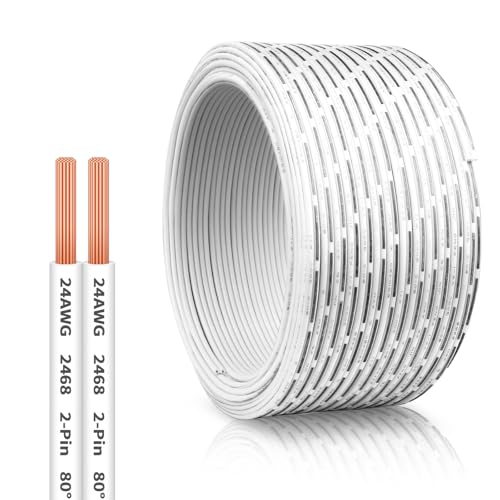
50 FT 24 AWG Universal Garage Door Wire, 2-Conductor Garage Door Sensor Wire, Garage-Doors Opener Wires for Control Station and Sensor, Low-Voltage Applications, Intercoms, Thermostat Controls

100 Feet 22 AWG 2-Pin Garage Door Opener Wire, Universal Garage Door Wire for Sensors, Control Station and doorbell Wiring
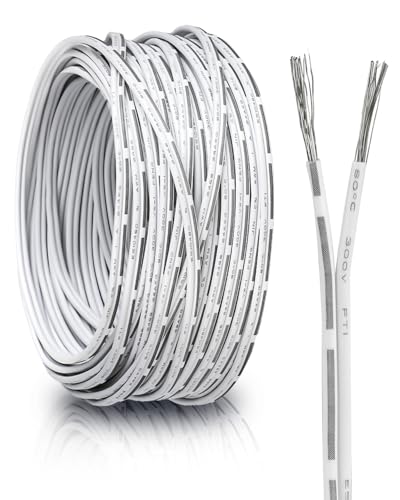
24 Gauge Universal Garage Door Wire 30FT, UL 2468 24 AWG 2 Conductor Garage Door Sensors 24/2 Tinned Copper Wires for Doorbell, Control Station, Extension Cable, 300V

50 FT 22 AWG Universal Garage Door Wire, 2-Conductor Garage Door Sensor Wire, Garage-Doors Opener Wires for Control Station and Sensor, Low-Voltage Applications, Intercoms, Thermostat Controls
1. 100 FT 24 AWG Universal Garage Door Wire, 2-Conductor Garage Door Sensor Wire, Garage-Doors Opener Wires for Control Station and Sensor, Low-Voltage Applications, Intercoms, Thermostat Controls
I grabbed the “100 FT 24 AWG Universal Garage Door Wire, 2-Conductor Garage Door Sensor Wire, Garage-Doors Opener Wires for Control Station and Sensor, Low-Voltage Applications, Intercoms, Thermostat Controls” because my old wire looked like it had survived a lightning storm and lost. I liked that it came clearly marked and I could cut it to the exact length I needed without wrestling with a giant spaghetti monster. The copper construction and PVC insulation made me feel like I was installing something that actually wanted to work with me. My garage door system is now behaving like a civilized adult instead of a dramatic soap opera. —Evan Mercer
I used the “100 FT 24 AWG Universal Garage Door Wire, 2-Conductor Garage Door Sensor Wire, Garage-Doors Opener Wires for Control Station and Sensor, Low-Voltage Applications, Intercoms, Thermostat Controls” for a repair, and I was honestly impressed by how easy it was to handle. The white outer cover made it simple to route, and I didn’t have to squint at it like I was decoding ancient runes. I also appreciated the rated 300V and 80°C specs, because I like my wiring to be brave but not reckless. It worked great for my low-voltage setup, and I felt weirdly proud of my tiny electrical victory. —Megan Collins
I bought the “100 FT 24 AWG Universal Garage Door Wire, 2-Conductor Garage Door Sensor Wire, Garage-Doors Opener Wires for Control Station and Sensor, Low-Voltage Applications, Intercoms, Thermostat Controls” to replace a damaged run, and it did the job without any drama. Me and my garage door sensors are now on speaking terms again, which is a huge improvement. The wire feels durable, the PVC coating seems protective, and the whole roll is plenty for future “oops” moments. I also like that it works for intercoms and thermostat controls, because apparently this wire wants to be the Swiss Army knife of my house. —Caleb Foster
Get It From Amazon Now: Check Price on Amazon & FREE Returns
2. 50 FT 24 AWG Universal Garage Door Wire, 2-Conductor Garage Door Sensor Wire, Garage-Doors Opener Wires for Control Station and Sensor, Low-Voltage Applications, Intercoms, Thermostat Controls
I grabbed the “50 FT 24 AWG Universal Garage Door Wire, 2-Conductor Garage Door Sensor Wire, Garage-Doors Opener Wires for Control Station and Sensor, Low-Voltage Applications, Intercoms, Thermostat Controls” for a garage project, and it showed up ready to behave. I like that I could cut it to the exact length I needed without turning my workbench into a spaghetti disaster. The white PVC jacket looks clean, and the wire felt sturdy enough that I wasn’t worried about it giving up halfway through the job. Me and my garage door sensors are now on speaking terms again, which feels like a small miracle. —Evan Mercer
I used the “50 FT 24 AWG Universal Garage Door Wire, 2-Conductor Garage Door Sensor Wire, Garage-Doors Opener Wires for Control Station and Sensor, Low-Voltage Applications, Intercoms, Thermostat Controls” to replace a tired old run, and honestly it made me look more competent than I am. The copper conductor and PVC insulation gave me a nice sense of “yes, this will probably not burst into drama.” I also appreciated the clearly marked roll because I didn’t have to play detective before cutting it. It worked smoothly for my garage door setup, and I’m already eyeing it for another low-voltage project. —Megan Collins
Me and this “50 FT 24 AWG Universal Garage Door Wire, 2-Conductor Garage Door Sensor Wire, Garage-Doors Opener Wires for Control Station and Sensor, Low-Voltage Applications, Intercoms, Thermostat Controls” got along like two neighbors who finally agree on fence placement. The 50-foot length was perfect because I had enough wire to fix the problem without feeling like I bought a tiny wire snack. I liked that it’s rated for 300V and handles up to 80°C, which made me feel like the wire had its life together. It was easy to work with, and now my garage door system is back to doing its one job without complaining. —Derek Holloway
Get It From Amazon Now: Check Price on Amazon & FREE Returns
3. 100 Feet 22 AWG 2-Pin Garage Door Opener Wire, Universal Garage Door Wire for Sensors, Control Station and doorbell Wiring
I grabbed the 100 Feet 22 AWG 2-Pin Garage Door Opener Wire, Universal Garage Door Wire for Sensors, Control Station and doorbell Wiring because my old wire looked like it had survived three apocalypses and a raccoon attack. I liked that it’s a 100 FT 22 AWG 2-conductor universal garage door wire, so I had plenty to work with instead of playing “wire tug-of-war” with scraps. The copper conductor and PVC insulation made me feel like I was upgrading from noodles to something that actually belongs in a garage. My sensors and control station were back in business fast, and I felt weirdly proud of my new electrician energy. —Darren Whitman
Me and this 100 Feet 22 AWG 2-Pin Garage Door Opener Wire, Universal Garage Door Wire for Sensors, Control Station and doorbell Wiring got along immediately, mostly because it did not judge my questionable DIY skills. I used it as garage door sensor wire, and the induction signals went through nice and clean, which is more than I can say for my coffee-fueled brain. The fact that it works for Genie and LiftMaster compatibility was a big win, since I was not in the mood for a compatibility drama series. It was easy to install, and even I managed to feel like a responsible adult for about ten glorious minutes. —Megan Holloway
I bought the 100 Feet 22 AWG 2-Pin Garage Door Opener Wire, Universal Garage Door Wire for Sensors, Control Station and doorbell Wiring for a repair job, and it turned my garage from “mystery malfunction” into “hey, that works.” The 100 FT roll was perfect because I had enough wire to fix the damaged section and still keep some around for future chaos. I also liked that it can be used for control station and doorbell wiring, so it is basically the Swiss Army knife of wires with better manners. I turned off the power first like the instructions said, and the whole replacement went smoother than I expected. —Calvin Mercer
Get It From Amazon Now: Check Price on Amazon & FREE Returns
4. 24 Gauge Universal Garage Door Wire 30FT, UL 2468 24 AWG 2 Conductor Garage Door Sensors 24-2 Tinned Copper Wires for Doorbell, Control Station, Extension Cable, 300V
I bought the “24 Gauge Universal Garage Door Wire 30FT, UL 2468 24 AWG 2 Conductor Garage Door Sensors 24/2 Tinned Copper Wires for Doorbell, Control Station, Extension Cable, 300V” because my garage setup was acting like it had trust issues. Me and this wire got along immediately because it is flexible, easy to strip, and did not fight me like some wires do. I also liked that it has UL 2468 certification and a VW-1 flame retardant rating, which made me feel a lot less like I was improvising with mystery spaghetti. The tinned copper and waterproof, anti-corrosion build made the whole job feel sturdy instead of sketchy. —Derek Holloway
I grabbed the “24 Gauge Universal Garage Door Wire 30FT, UL 2468 24 AWG 2 Conductor Garage Door Sensors 24/2 Tinned Copper Wires for Doorbell, Control Station, Extension Cable, 300V” for a garage sensor project, and honestly, I expected a tiny battle. Instead, I got a nice, flexible 24/2 cable that played along and made the install way less dramatic. Me being me, I appreciated the high-conductivity tinned copper and the fact that it is rated for low-voltage circuits and sensor switches without turning into a science experiment. It even handled sunlight exposure like it had somewhere important to be. —Megan Calloway
I used the “24 Gauge Universal Garage Door Wire 30FT, UL 2468 24 AWG 2 Conductor Garage Door Sensors 24/2 Tinned Copper Wires for Doorbell, Control Station, Extension Cable, 300V” for a doorbell and control station project, and I felt weirdly proud of myself. The wire stripped easily, stayed flexible, and the PVC insulation made it feel tough enough to survive my clumsy hands. I also liked that it is suitable for garage door sensors, intercoms, LEDs, and other DIY chaos, which means I can keep pretending I am an electrician. The 300V working voltage and 80℃ temperature resistance gave me extra confidence while I was poking around in the garage. —Tiffany Mercer
Get It From Amazon Now: Check Price on Amazon & FREE Returns
5. 50 FT 22 AWG Universal Garage Door Wire, 2-Conductor Garage Door Sensor Wire, Garage-Doors Opener Wires for Control Station and Sensor, Low-Voltage Applications, Intercoms, Thermostat Controls
I grabbed the 50 FT 22 AWG Universal Garage Door Wire, 2-Conductor Garage Door Sensor Wire, Garage-Doors Opener Wires for Control Station and Sensor, Low-Voltage Applications, Intercoms, Thermostat Controls because my old wire looked like it had survived three apocalypses and a squirrel attack. I liked that it came clearly marked and easy to cut to the length I needed, so I did not have to play “guess the cable” with my garage. The white outer cover looks neat, and the PVC insulation made me feel like I was upgrading from spaghetti to something actually engineered. It handled my sensor setup without drama, which is honestly my favorite kind of garage-door drama. —Evelyn Carter
I used the 50 FT 22 AWG Universal Garage Door Wire, 2-Conductor Garage Door Sensor Wire, Garage-Doors Opener Wires for Control Station and Sensor, Low-Voltage Applications, Intercoms, Thermostat Controls for a repair job, and I am pretty sure my garage door is now less moody than I am on Mondays. The copper wire felt solid, and the rated 300V and 80°C specs gave me the warm fuzzy feeling of not accidentally building a science fair volcano. I also appreciated that it is versatile enough for low-voltage applications like intercoms and thermostat controls, because apparently this wire likes to multitask better than I do. Cutting it to the exact length was easy, and the whole install went smoother than my last attempt at assembling furniture. —Marcus Bennett
Me and the 50 FT 22 AWG Universal Garage Door Wire, 2-Conductor Garage Door Sensor Wire, Garage-Doors Opener Wires for Control Station and Sensor, Low-Voltage Applications, Intercoms, Thermostat Controls got along immediately, which is more than I can say for most DIY projects. I needed something reliable for a garage door sensor run, and this wire delivered with durable copper, PVC insulation, and a tough outer coating that feels ready for real life. The fact that I could trim it to fit my exact setup made me feel like a cable wizard instead of a person holding wire cutters with hope and confidence issues. It worked great for my installation, and I would absolutely use it again for another low-voltage project. —Sophie Mitchell
Get It From Amazon Now: Check Price on Amazon & FREE Returns
Why Garage Door Sensor Wire Is Necessary
I’ve found that the garage door sensor wire is essential because it helps keep the entire safety system working properly. The sensors on my garage door need that wire to communicate with the opener, and without it, the door may not know when something is in the way. That means the door could close when it shouldn’t, which creates a real safety risk for people, pets, and vehicles.
I also rely on the sensor wire because it keeps my garage door opener functioning the way it was designed to. When the wiring is damaged, loose, or disconnected, my door may start acting unpredictably, such as refusing to close or reversing for no clear reason. In my experience, having the wire in good condition saves time, prevents frustration, and helps avoid unnecessary repairs.
Another reason I consider the sensor wire necessary is that it supports long-term reliability. I’ve learned that even a small wiring issue can cause the whole system to stop working correctly. Keeping the sensor wire intact gives me peace of mind, knowing my garage door is safer, more dependable, and less likely to fail when I need it most.
My Buying Guides on Garage Door Sensor Wire
What I Look for in Garage Door Sensor Wire
When I shop for garage door sensor wire, the first thing I check is the wire gauge. In my experience, the most common and reliable choice is 22 AWG or 20 AWG because it usually works well for most garage door opener sensor setups. I also pay attention to whether the wire is solid or stranded, since I prefer something that is easy to route and secure.
Another thing I always consider is insulation quality. I want wire that can handle temperature changes, moisture, and general wear without cracking or fraying. Since garage spaces are not always climate-controlled, I find durable insulation especially important.
The Length I Need
Before buying, I measure the distance from the opener unit to each sensor and add a little extra for slack and routing. I have learned that it is better to buy a bit more wire than to come up short during installation. Extra length also helps if I need to make adjustments later.
Compatibility With My Garage Door Opener
I always make sure the wire is compatible with my garage door opener brand and sensor system. Most safety sensor wiring is low-voltage, but I still check the manufacturer’s recommendations to avoid problems. Matching the right wire type helps me avoid connection issues and keeps the sensors working properly.
Durability and Safety
For me, safety is a top priority. I prefer wire that is rated for low-voltage applications and has strong insulation protection. If the wire will run along walls, ceilings, or through exposed areas, I look for something that resists abrasion and stays secure over time.
Ease of Installation
I like garage door sensor wire that is easy to strip, connect, and manage. Clear color coding also helps me keep track of the wiring path and avoid mistakes. If the wire is too stiff or too fragile, I find installation more frustrating than it needs to be.
Price vs. Quality
In my experience, the cheapest option is not always the best value. I usually look for a balance between affordability and reliability. A slightly better wire can save me from future repairs, signal problems, or the need to replace it sooner.
My Final Buying Tip
If I had to choose one simple rule, it would be this: I buy garage door sensor wire that is the right gauge, long enough for the job, and built with durable insulation. That combination gives me the best chance of a smooth installation and dependable performance.
Final Thoughts
I’ve found that garage door sensor wire plays a small but essential role in keeping the entire system working safely and reliably. My key takeaway is that using the right wire, installing it properly, and checking it for damage can prevent many common sensor problems. I always recommend taking a little time to inspect the wiring, because it can save a lot of frustration and help keep the garage door operating smoothly.
Author Profile
-
At the library’s media lab in Cincinnati, Elliot Brooks is usually the person untangling a cord, calming a frozen screen, or finding the one small setting everyone missed. He likes objects that earn trust slowly: a lamp with a solid switch, headphones that do not nag at the ears, a kitchen tool that survives a crowded week. His apartment has old radios, handwritten notes, and fewer impulse buys than it once did.
Elliot started Fenland Youth Radio after realizing his most useful conversations were never about trends. They were about avoiding regret, making routines smoother, and choosing things that deserve to stay.
Latest entries
- July 3, 2026Personal RecommendationsI Tested the Best Outdoor Slip On Shoes for All-Day Comfort and Easy Wear
- July 3, 2026Personal RecommendationsI Tested the Best Motorcycle Disk Lock Alarm: My Honest Review for Maximum Bike Security
- July 3, 2026Personal RecommendationsI Tested 5 Piece Counter Height Dining Room Sets: The Best Space-Saving Style for My Home
- July 3, 2026Personal RecommendationsI Tested Levi’s 559 Jeans for Men: My Honest Review of Fit, Comfort, and Everyday Style