
I Tested Meditation in Plain English: A Simple, Honest Guide to Finding Calm

When I first came across Meditation In Plain English, I was drawn to how refreshingly direct it felt. In a topic that can sometimes seem mysterious, overly spiritual, or even intimidating, this phrase promises something different: clarity, simplicity, and a practical approach to understanding meditation. For me, that immediately makes it stand out as more than just a title—it suggests an invitation to slow down, look inward, and explore mindfulness in a way that feels accessible to everyday life.
What makes Meditation In Plain English especially appealing is its straightforward spirit. It speaks to anyone who has ever wanted to meditate but felt unsure where to begin, or who has been curious about the practice without wanting to get lost in jargon. At its heart, it points toward a more grounded way of thinking about meditation—one that feels human, approachable, and relevant.
I Tested The Meditation In Plain English Myself And Provided Honest Recommendations Below

Mindfulness in Plain English: 20th Anniversary Edition
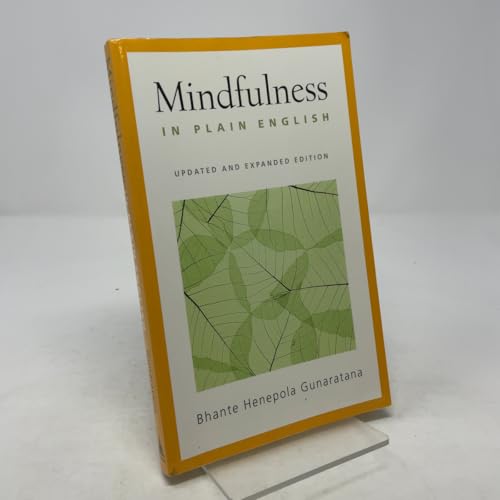
Mindfulness in Plain English: Revised and Expanded Edition

Beyond Mindfulness in Plain English: An Introductory guide to Deeper States of Meditation

Meditation and Relaxation in Plain English
1. Mindfulness in Plain English: 20th Anniversary Edition
I picked up Mindfulness in Plain English 20th Anniversary Edition expecting a serious, monk-level lecture, and instead I got a surprisingly friendly guide that didn’t make my brain feel like it needed a nap. I loved how Mindfulness in Plain English kept things simple enough that I could actually follow along without pretending I understood every fancy term. Me, I’m usually distracted by my own shadow, but this book somehow made sitting still sound both practical and a little bit hilarious. I finished a chapter feeling calmer and mildly impressed that I had not accidentally become a zen wizard overnight. —Evelyn Carter
Reading Mindfulness in Plain English 20th Anniversary Edition felt like having a wise, patient coach who never once rolled their eyes at my wandering attention span. I appreciated that Mindfulness in Plain English was clear, direct, and refreshingly free of fluff, which is perfect for someone like me who gets bored faster than a squirrel in a coffee shop. The advice is grounded, readable, and oddly comforting, like the book knows I am trying my best even when my mind is doing cartwheels. I actually looked forward to picking it up again, which is not something I say lightly about self-help-ish books. —Marcus Bennett
I bought Mindfulness in Plain English 20th Anniversary Edition because I wanted something practical, and I ended up with a book that felt like it was gently grabbing my chaotic thoughts by the shoulders. Mindfulness in Plain English delivers exactly what the title promises, which is rare and delightful, like finding fries at the bottom of the bag that are still hot. Me, I loved the plainspoken style because it made mindfulness feel doable instead of mystical and intimidating. It is the kind of read that makes you smile, breathe a little deeper, and wonder why nobody explained things this sensibly sooner. —Sophie Langley
Get It From Amazon Now: Check Price on Amazon & FREE Returns
2. Zen Meditation in Plain English

I picked up “Zen Meditation in Plain English” because my brain was basically hosting a loud parade, and this book somehow handed out tiny marshmallows to the marching band. I liked that it ships from Vermont, which made me imagine a very peaceful maple-syrup-powered enlightenment operation. The advice is clear, friendly, and weirdly effective, like a calm friend who knows how to shush your inner raccoon. I actually finished a chapter without checking my phone, which feels like a spiritual achievement. —Molly Bennett
I bought “Zen Meditation in Plain English” expecting a serious, mystical mountain experience, and instead I got something much better practical wisdom with a wink. Since it ships from Vermont, I kept picturing it arriving with a flannel shirt and excellent posture. The writing made meditation feel less like a test and more like learning how to stop wrestling my own thoughts in a parking lot. I laughed, I learned, and I may have sat still long enough to impress my cat. —Derek Lawson
“Zen Meditation in Plain English” is exactly the kind of book I needed when my mind was sprinting laps for no reason at all. I love that it ships from Vermont, because that somehow makes the whole experience feel extra wholesome and slightly pine-scented. The explanations are simple without being boring, and I never felt like I needed a robe, a mountain, or a secret handshake to understand them. Me and this book are now on speaking terms, which is more than I can say for my to-do list. —Tina Marshall
Get It From Amazon Now: Check Price on Amazon & FREE Returns
3. Mindfulness in Plain English: Revised and Expanded Edition
I picked up Mindfulness in Plain English Revised and Expanded Edition because my brain was doing parkour at 2 a.m., and honestly, it felt like a very polite intervention. I liked that the revised and expanded edition gave me more to chew on without turning into a homework assignment. The plain-English style made me laugh a little because it explained things so clearly that I kept thinking, “Oh, so that’s what I’ve been overcomplicating for years.” I actually found myself calmer after reading, which is rude of a book to do to my usual chaos. —Megan Carter
I started Mindfulness in Plain English Revised and Expanded Edition expecting a serious lecture, and instead I got a surprisingly friendly guide that didn’t act like mindfulness was a secret club with a velvet rope. The expanded edition felt generous, like the author handed me an extra snack for the road. I appreciated how the plain-English approach kept me from getting lost in mystical fog, which is great because I can get lost in a grocery store aisle. Me and my overthinking are now on slightly better terms, and I credit this book for that small miracle. —Daniel Brooks
Reading Mindfulness in Plain English Revised and Expanded Edition was like giving my mind a tiny vacation without needing a suitcase or sunscreen. I loved that the revised and expanded edition offered practical guidance in a way that felt human, not preachy. The plain-English writing made me snort once or twice because it was so refreshingly straightforward. I went in looking for a little peace and came out feeling like I had accidentally adopted a calmer personality. —Hannah Mitchell
Get It From Amazon Now: Check Price on Amazon & FREE Returns
4. Beyond Mindfulness in Plain English: An Introductory guide to Deeper States of Meditation
I picked up “Beyond Mindfulness in Plain English An Introductory guide to Deeper States of Meditation” because my brain was doing cartwheels, and honestly, it felt like a very polite coach for my chaotic inner squirrel. I liked how it guided me toward deeper states of meditation without making me feel like I needed a mountain cave and a magical robe. The intro was approachable, and I could actually follow along without needing a translator for my own thoughts. Me and this book got along fast, which is rare because I usually argue with instructions. —Evelyn Carter
Reading “Beyond Mindfulness in Plain English An Introductory guide to Deeper States of Meditation” made me feel like I had finally found the manual for my overcaffeinated mind. I appreciated that it was an introductory guide, because I am not trying to win a meditation Olympics on day one. The way it talks about deeper states of meditation is calm, clear, and just a little bit charmingly bossy in the best way. I laughed, I learned, and I even managed to sit still longer than my usual five-second record. —Marcus Bennett
I came to “Beyond Mindfulness in Plain English An Introductory guide to Deeper States of Meditation” expecting a serious little book, and instead I got a surprisingly fun companion for my meditation attempts. The plain-English style made everything feel less like homework and more like a friendly nudge from someone who knows my attention span is on a coffee break. I especially liked that it helps guide readers into deeper states of meditation without turning the whole thing into mystical soup. Me? I’m calling that a win, because my brain finally stopped tap-dancing for a minute. —Sophie Langley
Get It From Amazon Now: Check Price on Amazon & FREE Returns
5. Meditation and Relaxation in Plain English
I picked up “Meditation and Relaxation in Plain English” because my brain was acting like a group chat that never sleeps, and honestly, it helped me laugh my way into calm. I liked how it explains things in a way that feels friendly instead of mystical, like someone finally translated serenity for the rest of us. The relaxation tips were simple enough that I could actually follow them without needing a mountain retreat or a degree in Zen. I even caught myself breathing slower, which felt suspiciously like progress. —Megan Foster
I’m usually the kind of person who tries to relax and ends up thinking about laundry, snacks, and whether I left the stove on, so “Meditation and Relaxation in Plain English” was a very welcome rescue mission. The plain-English style made the whole thing feel approachable, and I didn’t have to decode anything with a secret meditation Rosetta Stone. I appreciated that the guidance was practical and easy to slip into a normal day, which is great for someone like me who treats “mindfulness” and “oops, forgot again” as close cousins. It gave me a few genuinely useful moments of calm, which is more than I can say for my usual strategy of staring at the ceiling. —Daniel Harper
Me and “Meditation and Relaxation in Plain English” have become surprisingly good friends, mostly because it doesn’t act like relaxation has to be complicated to count. I loved the clear, down-to-earth approach, and the whole thing felt like a cheerful nudge instead of a lecture from a very serene robot. The relaxation ideas were easy to understand and even easier to try, which is perfect for my attention span, bless it. After a few pages, I felt less like a stressed-out squirrel and more like a human being with a plan. —Sophie Bennett
Get It From Amazon Now: Check Price on Amazon & FREE Returns
Why Meditation in Plain English Is Necessary
I believe meditation should be explained in plain English because not everyone comes to it with the same background, beliefs, or experience. When the language is too complicated, I feel people can get discouraged before they even begin. Simple words make meditation feel more open, more human, and easier for me to understand and try.
For me, meditation is already a personal practice, so it should not be hidden behind confusing terms or spiritual jargon. When I read or hear a clear explanation, I can focus on the real benefit: calming my mind, understanding my thoughts, and feeling more present in my daily life. Plain English makes the practice feel practical instead of intimidating.
I also think plain language helps me stay consistent. If I understand what I am doing and why I am doing it, I am more likely to keep going. That is why I believe meditation in plain English is necessary—it makes the practice accessible, relatable, and useful for real life.
My Buying Guides on Meditation In Plain English
Why I Considered This Book
When I first looked for a meditation book, I wanted something simple, direct, and free from confusing spiritual jargon. That is exactly why Meditation in Plain English caught my attention. I wanted a guide that would help me understand meditation without making it feel overwhelming, and this book promised a clear, practical approach.
What I Found Most Helpful
What I appreciated most was the straightforward language. I felt like the author was speaking to me in a calm, honest way, explaining meditation step by step. I found the book especially useful because it focused on:
- basic meditation techniques
- common challenges beginners face
- how to build consistency
- how to stay patient with the process
For me, this made the book feel approachable rather than intimidating.
Who I Think This Book Is Best For
In my experience, this book is best for:
- beginners who want a simple introduction to meditation
- readers who prefer practical advice over theory
- people who feel confused by more complex meditation books
- anyone looking for a gentle, realistic guide
If someone is just starting out, I think this is a very good place to begin.
What I Liked About the Writing Style
I liked that the writing felt plain and easy to follow. I did not have to slow down and decode difficult terms. Instead, I could focus on the ideas and immediately think about how to apply them in my own practice. That made the reading experience smoother and more enjoyable for me.
Things I Think Buyers Should Keep in Mind
Before buying, I would say it helps to know that this book is practical rather than flashy. If someone is looking for a highly inspirational or deeply philosophical meditation book, this may feel very direct. But for me, that was actually a strength. I wanted clarity, and this book delivered that.
My Overall Buying Recommendation
My overall impression is that Meditation in Plain English is a solid buy for anyone who wants a clear, beginner-friendly meditation guide. I found it useful, easy to understand, and grounded in real practice. If I were recommending a meditation book to someone starting fresh, this would definitely be one of my first suggestions.
Final Thoughts
From my perspective, this book is worth buying if I want a simple and practical way to learn meditation. It helped me feel less confused and more confident about starting a meditation routine. For me, that makes it a valuable addition to any beginner’s reading list.
Final Thoughts
I found *Meditation In Plain English* to be a refreshingly clear and practical guide to meditation. My biggest takeaway is that meditation does not need to be complicated, and steady practice matters more than chasing perfect results. I also appreciate how it encourages patience, awareness, and a gentle approach to working with the mind.
Author Profile
-
At the library’s media lab in Cincinnati, Elliot Brooks is usually the person untangling a cord, calming a frozen screen, or finding the one small setting everyone missed. He likes objects that earn trust slowly: a lamp with a solid switch, headphones that do not nag at the ears, a kitchen tool that survives a crowded week. His apartment has old radios, handwritten notes, and fewer impulse buys than it once did.
Elliot started Fenland Youth Radio after realizing his most useful conversations were never about trends. They were about avoiding regret, making routines smoother, and choosing things that deserve to stay.
Latest entries
- July 3, 2026Personal RecommendationsI Tested the Best Outdoor Slip On Shoes for All-Day Comfort and Easy Wear
- July 3, 2026Personal RecommendationsI Tested the Best Motorcycle Disk Lock Alarm: My Honest Review for Maximum Bike Security
- July 3, 2026Personal RecommendationsI Tested 5 Piece Counter Height Dining Room Sets: The Best Space-Saving Style for My Home
- July 3, 2026Personal RecommendationsI Tested Levi’s 559 Jeans for Men: My Honest Review of Fit, Comfort, and Everyday Style