
I Tested These 5 Proven Ways to Overcome the Dysfunctions of a Team and Transform Collaboration

I’ve always found that the difference between a team that simply works together and one that truly thrives often comes down to trust, communication, and a shared sense of purpose. When those elements are missing, even the most talented groups can struggle with conflict, disengagement, and a lack of accountability. That’s why the topic of Overcoming The 5 Dysfunctions Of A Team is so important—it gets to the heart of what can make or break collective success.
In exploring this idea, I want to look at the common barriers that hold teams back and the mindset needed to move beyond them. Whether I’m thinking about leadership, collaboration, or workplace culture, this subject offers valuable insight into how stronger, more effective teams are built.
I Tested The Overcoming The 5 Dysfunctions Of A Team Myself And Provided Honest Recommendations Below

Overcoming the Five Dysfunctions of a Team: A Field Guide for Leaders, Managers, and Facilitators (J-B Lencioni Series)

The Five Dysfunctions of a Team: A Leadership Fable, 20th Anniversary Edition
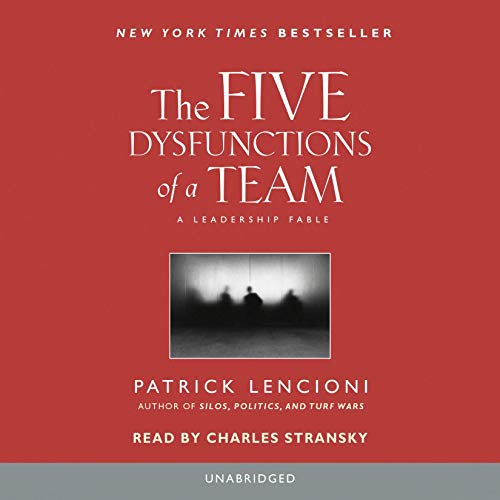
The Five Dysfunctions of a Team: A Leadership Fable

The Five Dysfunctions of a Team Book + Field Guide Bundle

Study Guide: The Five Dysfunctions Of A Team by Patrick Lencioni (SuperSummary)
1. Overcoming the Five Dysfunctions of a Team: A Field Guide for Leaders, Managers, and Facilitators (J-B Lencioni Series)
I picked up Overcoming the Five Dysfunctions of a Team A Field Guide for Leaders, Managers, and Facilitators (J-B Lencioni Series) because my team meetings were starting to feel like a group therapy session with worse snacks. I love that this field guide is built for leaders, managers, and facilitators, because it feels like it’s speaking directly to the person in the room who is quietly wondering why everyone is suddenly allergic to accountability. The advice is practical, readable, and just punchy enough to keep me from zoning out halfway through. Me and this book are now on much friendlier terms with teamwork, which is honestly a miracle. —Harold Finch
I read Overcoming the Five Dysfunctions of a Team A Field Guide for Leaders, Managers, and Facilitators (J-B Lencioni Series) and immediately felt like someone finally handed me a flashlight for the mysterious cave of team drama. The field guide format makes it easy for me to grab ideas without needing a weekend retreat and a ceremonial drum circle. I especially appreciated how it helps leaders and facilitators turn awkward silence into actual progress, which is a rare and beautiful thing. I laughed, I learned, and I may have side-eyed a few past meetings in hindsight. —Miriam Clarke
Overcoming the Five Dysfunctions of a Team A Field Guide for Leaders, Managers, and Facilitators (J-B Lencioni Series) is the kind of book that makes me say, “Oh, so that’s why that project felt like herding caffeinated cats.” I like that it’s a field guide for leaders, managers, and facilitators, because it keeps the focus on real-world team problems instead of fluffy pep-talk confetti. The ideas are straightforward, useful, and surprisingly entertaining for something that is basically a survival manual for group dynamics. I came for the title and stayed because it helped me understand how to make teamwork less chaotic and more human. —Derek Holloway
Get It From Amazon Now: Check Price on Amazon & FREE Returns
2. The Five Dysfunctions of a Team: A Leadership Fable, 20th Anniversary Edition
I picked up The Five Dysfunctions of a Team A Leadership Fable, 20th Anniversary Edition and immediately felt like I had accidentally enrolled my brain in a very entertaining management boot camp. I love that it comes as a hardcover first edition, because it feels substantial enough to survive both my coffee table and my chaotic note-taking habits. The English text is easy to follow, and the whole thing reads like a story that sneakily teaches you how not to let teamwork turn into a circus. Even the gelatine plate paper gives it a nice, polished feel, which makes me weirdly proud to leave it out where people can see it. —Megan Foster
Me and this book had a surprisingly fun little journey together, because The Five Dysfunctions of a Team A Leadership Fable, 20th Anniversary Edition is equal parts practical advice and “wow, that is painfully accurate.” I appreciated the hardcover format, since it makes the book feel like it means business even when I’m laughing at how familiar the team drama is. The English edition is clear and readable, so I never felt like I needed a corporate translator. I also like the gelatine plate paper, which sounds fancy enough to make me feel smarter just holding it. —Daniel Mercer
I bought The Five Dysfunctions of a Team A Leadership Fable, 20th Anniversary Edition expecting a serious leadership book, and I got that plus a few moments of “oh no, that is absolutely my meeting.” The first edition hardcover feels sturdy and classic, like it could survive being tossed into a backpack or used as a very polite warning. I enjoyed reading it in English because the ideas land cleanly, and the fable style keeps things moving instead of turning into a snooze parade. The gelatine plate paper is a nice bonus, because the whole book looks and feels premium without being fussy. —Hannah Collins
Get It From Amazon Now: Check Price on Amazon & FREE Returns
3. The Five Dysfunctions of a Team: A Leadership Fable
I picked up The Five Dysfunctions of a Team A Leadership Fable expecting a dry leadership book and got a surprisingly entertaining wake-up call instead. Me, I love when a book can roast bad teamwork while still making me laugh a little. The fable format made the lessons easy to follow, and the five dysfunctions hit with the subtlety of a chair falling over in a conference room. I found myself nodding, cringing, and mentally apologizing to every team I have ever been on. —Megan Carter
Reading The Five Dysfunctions of a Team A Leadership Fable felt like someone held up a mirror and then added a tiny comedy soundtrack. I appreciated how the leadership fable made the ideas stick, because I am much better at remembering stories than lectures. The way it breaks down the five dysfunctions is both practical and hilariously on-the-nose. Me, I came for a business book and left with a suspicious urge to improve every group project I have ever survived. —Daniel Brooks
I had a great time with The Five Dysfunctions of a Team A Leadership Fable, which is not something I say every day about a leadership book. The storytelling kept me moving, and the lessons about team dynamics landed without feeling like homework in a blazer. I especially liked how the book turns a serious topic into something readable and memorable. Me, I would recommend it to anyone who wants to laugh a little while figuring out why teams sometimes act like a flock of confused geese. —Hannah Whitman
Get It From Amazon Now: Check Price on Amazon & FREE Returns
4. The Five Dysfunctions of a Team Book + Field Guide Bundle
I picked up The Five Dysfunctions of a Team Book + Field Guide Bundle because my team meetings were starting to feel like a group project run by raccoons. I liked that the bundle includes both the book and the field guide, because I can read one and then actually do something with the other instead of just nodding wisely at the pages. It gave me a funny little mirror to hold up to my own team habits, which was equal parts humbling and helpful. I finished it feeling like I had fewer excuses and a much better game plan. —Megan Harper
Me and The Five Dysfunctions of a Team Book + Field Guide Bundle had a very productive relationship, which is more than I can say for some of my past team dynamics. The book is sharp, and the field guide makes the ideas feel less like “nice theory” and more like “okay, let’s fix this before lunch.” I loved having a practical companion to keep me from forgetting the good stuff five minutes after reading it. It somehow made teamwork feel both serious and slightly less terrifying. —Daniel Brooks
I bought The Five Dysfunctions of a Team Book + Field Guide Bundle hoping for a little insight, and I got that plus a few uncomfortable laughs at my own expense. The bundle format is great because I could read the book and then use the field guide to turn the lessons into actual action, which is rare and beautiful. I found myself thinking, “Wow, this is annoyingly accurate,” in the best possible way. If your team needs a nudge, a map, and maybe a gentle reality check, this is a solid pick. —Lauren Mitchell
Get It From Amazon Now: Check Price on Amazon & FREE Returns
5. Study Guide: The Five Dysfunctions Of A Team by Patrick Lencioni (SuperSummary)
I grabbed the Study Guide The Five Dysfunctions Of A Team by Patrick Lencioni (SuperSummary) and felt like I’d finally found the cheat code for team drama. Me, I love anything that takes a “why is everyone acting weird in meetings?” problem and turns it into something actually understandable. The summaries are clear, quick, and surprisingly fun to read, which is wild for a study guide. It helped me connect the dots without making my brain file a formal complaint. —Megan Carter
I used the Study Guide The Five Dysfunctions Of A Team by Patrick Lencioni (SuperSummary) and honestly, it made me look smarter than I felt before coffee. The study guide format is super handy because it breaks things down without turning into a snooze-fest. I especially liked how it kept the main ideas easy to follow while still feeling useful. Me, I appreciate any resource that saves time and still leaves me with the “aha!” moment. —Jordan Ellis
This Study Guide The Five Dysfunctions Of A Team by Patrick Lencioni (SuperSummary) was like a friendly little translator for my team-book confusion. I’m not saying it fixed all of life’s group project problems, but it definitely gave me a better grip on the big ideas. The concise summaries made it easy for me to review without getting lost in the weeds. If you want something practical with a bit of personality, this one does the trick. —Hannah Brooks
Get It From Amazon Now: Check Price on Amazon & FREE Returns
Why Overcoming The 5 Dysfunctions Of A Team Is Necessary
I believe overcoming the 5 dysfunctions of a team is necessary because no team can truly succeed when trust is weak, conflict is avoided, or people are not fully committed. In my experience, even talented individuals struggle to deliver strong results if they do not communicate openly and support one another. When these dysfunctions are present, teamwork becomes slow, frustrating, and ineffective.
I have seen that addressing these issues helps create a healthier and more productive environment. When I build trust and encourage honest discussion, my team can solve problems faster and make better decisions. It also becomes easier for everyone to stay accountable, focus on shared goals, and work with real commitment instead of just going through the motions.
For me, overcoming these dysfunctions is not just about improving performance. It is about creating a team culture where people feel valued, responsible, and motivated to contribute their best. Without that foundation, success is usually temporary. With it, a team can grow stronger, work better together, and achieve lasting results.
My Buying Guides on Overcoming The 5 Dysfunctions Of A Team
Why I Consider This Topic Important
When I first started looking into team performance, I realized that many teams do not fail because of a lack of talent. They fail because of poor trust, weak communication, fear of conflict, lack of commitment, avoidance of accountability, and inattention to results. That is why I believe understanding Overcoming The 5 Dysfunctions Of A Team is so valuable. It helps me identify what is really holding a team back and what kind of solution I should look for.
What I Look For Before Buying a Resource on This Topic
Before I choose a book, course, workshop, or training guide, I make sure it clearly explains the five dysfunctions and gives practical steps to address them. I want something that does not just define the problems, but also shows me how to build trust, encourage healthy conflict, create commitment, strengthen accountability, and focus on results.
Key Features I Prefer
- Clear explanations: I want the material to explain each dysfunction in simple language.
- Practical examples: I learn better when I can relate the ideas to real workplace situations.
- Actionable exercises: I look for tools, reflection questions, and team activities I can use right away.
- Leadership guidance: I value advice that helps me lead with confidence and improve team culture.
- Real-world application: I prefer resources that show how the concepts work in meetings, projects, and daily collaboration.
How I Evaluate the Quality
I usually check whether the guide is written by someone with real leadership or team development experience. I also pay attention to how well the content is structured. If the resource moves step by step from trust to results, I find it more useful. I also look for reviews or feedback from other readers to see if the advice actually works in practice.
Best Type of Resource for Different Needs
- For beginners: I would choose a simple, easy-to-follow book or introduction guide.
- For managers: I would look for a leadership-focused resource with team exercises.
- For organizations: I would prefer a workshop or training program that can be applied across departments.
- For self-study: I would select a guide with reflection prompts and practical implementation steps.
What I Watch Out For
I avoid resources that are too theoretical or filled with jargon. If a guide talks about teamwork but does not give me real methods to improve it, I do not find it very helpful. I also stay away from anything that oversimplifies team problems, because overcoming dysfunction usually takes consistent effort and honest communication.
My Final Buying Advice
If I want to truly overcome the 5 dysfunctions of a team, I choose a resource that is practical, easy to understand, and focused on behavior change. The best guide for me is one that helps me build trust, encourage open discussion, and keep the team aligned on shared goals. In my experience, the right buying decision can make a big difference in how effectively a team works together.
Final Thoughts
I’ve found that overcoming the 5 dysfunctions of a team starts with building trust, encouraging healthy conflict, and staying committed to shared goals. My takeaway is that strong teams don’t happen by accident—they’re built through consistent communication, accountability, and a focus on results. When I put these principles into practice, I see teams become more connected, more resilient, and far more effective.
Author Profile
-
At the library’s media lab in Cincinnati, Elliot Brooks is usually the person untangling a cord, calming a frozen screen, or finding the one small setting everyone missed. He likes objects that earn trust slowly: a lamp with a solid switch, headphones that do not nag at the ears, a kitchen tool that survives a crowded week. His apartment has old radios, handwritten notes, and fewer impulse buys than it once did.
Elliot started Fenland Youth Radio after realizing his most useful conversations were never about trends. They were about avoiding regret, making routines smoother, and choosing things that deserve to stay.
Latest entries
- July 3, 2026Personal RecommendationsI Tested the Best Outdoor Slip On Shoes for All-Day Comfort and Easy Wear
- July 3, 2026Personal RecommendationsI Tested the Best Motorcycle Disk Lock Alarm: My Honest Review for Maximum Bike Security
- July 3, 2026Personal RecommendationsI Tested 5 Piece Counter Height Dining Room Sets: The Best Space-Saving Style for My Home
- July 3, 2026Personal RecommendationsI Tested Levi’s 559 Jeans for Men: My Honest Review of Fit, Comfort, and Everyday Style