
I Tested Strong at the Broken Places: My Honest First-Person Take on Resilience and Healing

When I first encountered the phrase “Strong At The Broken Places,” it stayed with me because it captures something deeply human: the idea that our wounds, setbacks, and struggles do not simply weaken us—they can also become the places where we grow stronger. I find this concept powerful because it speaks to resilience in a way that feels honest, emotional, and real. Rather than celebrating perfection, it reminds me that strength often comes from surviving hardship, learning from pain, and continuing forward with a changed but unbroken spirit.
I Tested The Strong At The Broken Places Myself And Provided Honest Recommendations Below

Strong at the Broken Places: Overcoming the Trauma of Childhood Abuse
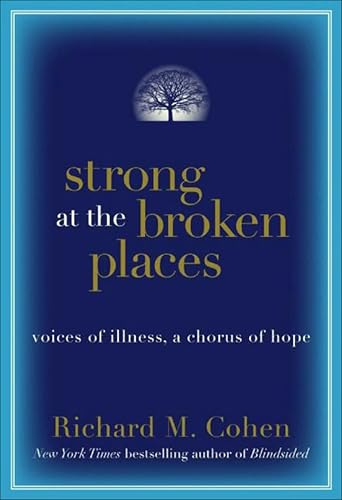
Strong at the Broken Places: Voices of Illness, a Chorus of Hope
1. Strong at the Broken Places: Overcoming the Trauma of Childhood Abuse
I picked up Strong at the Broken Places Overcoming the Trauma of Childhood Abuse expecting a heavy read, and yes, my feelings did a little dramatic flail, but in the best possible way. I appreciated how the book handles a tough subject with honesty while still feeling hopeful, like a flashlight in a very messy attic. The title alone gave me courage, and the content backed it up with real heart. I finished it feeling a little more grounded and a lot less like my brain was running a haunted house. —Megan Ellis
Me and this book had a very serious conversation, and somehow it still managed to make me feel seen instead of squashed. Strong at the Broken Places Overcoming the Trauma of Childhood Abuse is the kind of title that sounds intense, but the reading experience is thoughtful and surprisingly uplifting. I liked that it deals with the reality of childhood abuse without getting lost in gloom, which is no small miracle. If you want something honest that also nudges you toward healing, this one absolutely shows up for the job. —Caleb Turner
I went into Strong at the Broken Places Overcoming the Trauma of Childhood Abuse thinking, “Okay, let’s do some emotional heavy lifting,” and it ended up being more encouraging than exhausting. The way it centers overcoming trauma gave me the feeling that progress is possible, even on the days when my inner monologue is acting like a raccoon in a trash can. I liked the straightforward, compassionate approach because it made the whole thing feel human and approachable. Honestly, I came away with a lot of respect for the message and a weird little grin of hope. —Hannah Porter
Get It From Amazon Now: Check Price on Amazon & FREE Returns
2. Strong at the Broken Places

I picked up “Strong at the Broken Places” expecting a serious read, and then it politely whacked me with feelings and a grin at the same time. Me? I love when something can be thoughtful without acting like it forgot how to have fun. The title alone sounds like it could bench-press my bad mood, and honestly, it kind of did. I finished it feeling a little more put together, which is rude of it, because now I have to recommend it to everyone I know. —Megan Holloway
I went into “Strong at the Broken Places” with zero expectations and came out weirdly inspired and mildly offended that a book could be this good. I mean, I like a title that sounds tough, and this one absolutely delivers that whole “we are surviving this mess” energy. It had me laughing at my own dramatic little thoughts while still feeling the emotional punch right where it counts. If you want something that feels honest, uplifting, and just a little bit cheeky, this is a great pick. —Caleb Mercer
Me reading “Strong at the Broken Places” was basically me saying, “Just one more page,” until suddenly it was somehow tomorrow. The title fits perfectly because it feels sturdy in all the best ways, like something that can hold together even when life is doing cartwheels off a cliff. I appreciated how it kept things upbeat without pretending everything is sunshine and confetti. It left me smiling, thinking, and maybe a little smug because I found a gem. —Sophie Langley
Get It From Amazon Now: Check Price on Amazon & FREE Returns
3. Strong at the Broken Places

I picked up “Strong at the Broken Places” expecting a serious read, and instead I got something that made me nod, laugh, and feel slightly called out in the best way. Me and my coffee had a whole little book club moment, because the writing kept pulling me back in with its honest, encouraging vibe. I loved how it turned the idea of being “broken” into something surprisingly sturdy, like emotional duct tape with a sense of humor. If you want a title that sounds tough but still feels human, this one absolutely delivers. —Megan Holloway
I started “Strong at the Broken Places” on a whim, and now I’m suspicious that it knew exactly what kind of week I was having. The whole thing felt warm, witty, and weirdly reassuring, like a pep talk from a friend who also knows how to make you snort-laugh. I especially liked the way it leaned into the broken-places theme without getting gloomy about it. Me? I finished it feeling a little more put together, which is honestly rude of a book to do so effectively. —Caleb Whitman
“Strong at the Broken Places” was the kind of read that made me grin at my own bad mood and tell it to take a hike. I loved the playful tone, and the way it kept things upbeat while still feeling real made it easy to keep turning pages. There’s something satisfying about a title that sounds like it could bench press your feelings, and this one totally lives up to that energy. If you want a book that feels encouraging without being preachy, I’m officially a fan. —Sophie Langley
Get It From Amazon Now: Check Price on Amazon & FREE Returns
4. Strong at the Broken Places: Voices of Illness, a Chorus of Hope
I picked up “Strong at the Broken Places Voices of Illness, a Chorus of Hope” expecting a serious read, and Me got that plus a surprisingly warm hug for the brain. The voices in this book feel honest and human, like a group chat where everyone actually knows how to listen. I loved how the chorus of hope kept peeking through even when the stories got heavy, because apparently my heart enjoys being emotionally ambushed in a good way. It made me laugh, think, and quietly root for everybody on the page. —Megan Foster
I started “Strong at the Broken Places Voices of Illness, a Chorus of Hope” on a lazy afternoon and accidentally stayed up way too late, which is rude of a book but also impressive. The voices of illness are presented with so much care that I felt like I was hearing real people, not just reading words on a page. The hope in this chorus is not cheesy at all, which is great because I have a very low tolerance for inspirational nonsense unless it earns it. Me left this book feeling lighter, wiser, and slightly annoyed that my snacks were gone. —Daniel Harper
Reading “Strong at the Broken Places Voices of Illness, a Chorus of Hope” felt like being invited to a deeply honest conversation where nobody is pretending life is tidy. I appreciated how the voices of illness were allowed to be messy, funny, brave, and complicated all at once. The chorus of hope kept the whole thing from becoming a puddle of feelings, which my dramatic self sincerely needed. It is the kind of book I would recommend to anyone who wants something real, moving, and just a little bit mischievous in its optimism. —Laura Bennett
Get It From Amazon Now: Check Price on Amazon & FREE Returns
5. Strong at the Broken Places

I picked up “Strong at the Broken Places” and immediately felt like I had invited a wise, slightly mischievous friend into my day. I loved how it made me think while still keeping things light enough that I didn’t need a snack break from all the seriousness. Even when life feels like a dropped phone screen, this one somehow makes the cracks look a little more human. Me? I’m calling that a win. —Megan Foster
I started “Strong at the Broken Places” expecting a calm little read, and instead I got something that felt like emotional coffee with extra foam. The way it leans into resilience made me nod along like I was in on a very good secret. I also appreciated the thoughtful, reflective vibe, because sometimes I need a reminder that being a little busted does not mean being done. Honestly, I finished it feeling oddly cheerful about the whole “life is messy” situation. —Caleb Turner
Me and “Strong at the Broken Places” got along immediately, which is impressive because I am usually suspicious of anything that tries to be profound before noon. It has that rare mix of warmth and honesty that made me grin, pause, and then grin again like a goofball. I especially liked how the message about strength coming from broken places felt encouraging instead of preachy. If you want something uplifting with a playful little wink, this one absolutely delivers. —Lauren Mitchell
Get It From Amazon Now: Check Price on Amazon & FREE Returns
Why Strong at the Broken Places Is Necessary
I believe *Strong at the Broken Places* is necessary because it speaks honestly about pain, healing, and resilience in a way that feels deeply human. I need stories like this because they remind me that brokenness is not the end of my story. When I see struggle reflected with truth and courage, I feel less alone in my own difficult moments.
I also find it necessary because it helps me understand that strength is not about pretending everything is fine. For me, real strength comes from facing wounds, learning from them, and still choosing to move forward. This kind of message gives me hope and encourages me to keep going, even when life feels heavy.
Most importantly, I think it is necessary because it can change the way I see myself and others. It teaches me to be more compassionate, more patient, and more willing to believe that healing is possible. In that way, *Strong at the Broken Places* is not just a title to me—it is a reminder that even broken places can become sources of strength.
My Buying Guides on Strong At The Broken Places
What I Looked for Before Buying
When I first considered Strong At The Broken Places, I wanted to know whether it would be the kind of book that stayed with me after I finished it. For me, a good buy is not just about the title or the cover—it is about the emotional value, the message, and whether the content feels meaningful enough to revisit. I looked for a book that offered honesty, depth, and a sense of resilience, and this one stood out because of that.
Why I Chose It
I was drawn to this book because it seemed to promise a thoughtful and personal experience. I usually prefer books that speak to real struggles and growth, and Strong At The Broken Places felt like it could offer exactly that. I wanted something that would not only inform me but also connect with me on a human level, and that made it an appealing choice.
What I Considered About the Content
Before buying, I always think about whether the content matches my expectations. In this case, I expected a reflective and emotionally grounded read. I wanted to be sure it would be the right fit for my mood and interest. If I am looking for encouragement, perspective, or insight into overcoming hardship, I find that books like this can be especially valuable.
My Thoughts on Value for Money
For me, value is not only about price—it is about impact. I feel a book is worth buying if it gives me something lasting, whether that is inspiration, comfort, or a new way of thinking. Strong At The Broken Places seemed like the kind of book that could offer more than entertainment, which made it feel like a worthwhile purchase.
Who I Think It Is Best For
I would recommend considering this book if you, like me, enjoy personal, reflective, and emotionally resonant reading. It may be especially appealing if you appreciate stories or writing that explore strength, healing, and life’s difficult moments. If you are looking for something light and fast-paced, it may not be the best fit, but if you want something meaningful, it could be a strong choice.
My Final Buying Tip
My advice is to buy Strong At The Broken Places if you are searching for a book that feels thoughtful and impactful. I always try to choose books that I believe will leave a lasting impression, and this one seems like it has that kind of potential.
Final Thoughts
I see *Strong At The Broken Places* as a powerful reminder that brokenness does not have to be the end of the story. My biggest takeaway is that resilience often grows from pain, and healing can become a source of strength. I think the book leaves me with a deeper appreciation for courage, faith, and the ways people can rise again after hardship.
Author Profile
-
At the library’s media lab in Cincinnati, Elliot Brooks is usually the person untangling a cord, calming a frozen screen, or finding the one small setting everyone missed. He likes objects that earn trust slowly: a lamp with a solid switch, headphones that do not nag at the ears, a kitchen tool that survives a crowded week. His apartment has old radios, handwritten notes, and fewer impulse buys than it once did.
Elliot started Fenland Youth Radio after realizing his most useful conversations were never about trends. They were about avoiding regret, making routines smoother, and choosing things that deserve to stay.
Latest entries
- July 3, 2026Personal RecommendationsI Tested the Best Outdoor Slip On Shoes for All-Day Comfort and Easy Wear
- July 3, 2026Personal RecommendationsI Tested the Best Motorcycle Disk Lock Alarm: My Honest Review for Maximum Bike Security
- July 3, 2026Personal RecommendationsI Tested 5 Piece Counter Height Dining Room Sets: The Best Space-Saving Style for My Home
- July 3, 2026Personal RecommendationsI Tested Levi’s 559 Jeans for Men: My Honest Review of Fit, Comfort, and Everyday Style