
I Tested the Best USB Hub for Motherboard: My Top Pick for Faster, Cleaner Connectivity

When I first started looking into ways to expand my computer’s connectivity, I quickly realized how much difference the right USB hub for motherboard can make. Whether I was trying to connect more peripherals, simplify cable management, or make my setup more efficient, this small component turned out to play a surprisingly important role. In this article, I’ll explore why a USB hub for motherboard matters, what makes it useful, and how it can help create a smoother, more flexible computing experience.
I Tested The Usb Hub For Motherboard Myself And Provided Honest Recommendations Below

NZXT Internal USB Hub 3 – Expands 4 USB 2.0 Ports – Sleek Multifunctional Design – SATA Power Connection – Plug and Play

Corsair Internal 4-Port USB 2.0 Hub – 4X 9-Pin USB 2.0 Ports – Easy Magnetic Installation – Compatible with Most Intel® and AMD® Motherboards – Black
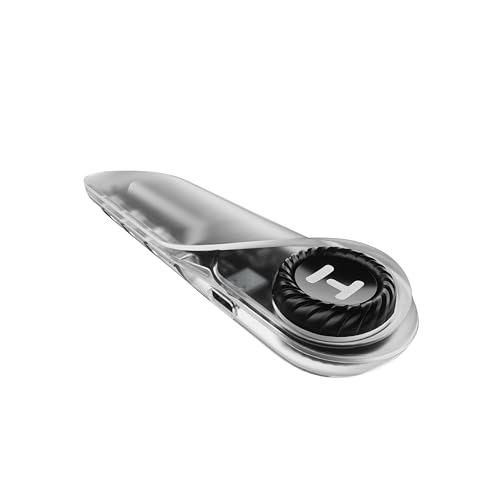
Hyte Powered Internal USB Hub – 4 USB 2.0 Output Headers, Motherboard USB 9Pin Extension, Extra-Strength Magnets and Adhesive Strip Included, Modern Internal Expansion – Crystal

5 Ports Internal USB Hub, Motherboard 9pin USB 2.0 Header Splitter, USB 2.0 to USB 3.2 Gen 1 Header Adapter.

9Pin USB Header Splitter with SATA Power Cable, 9Pin USB Header Male 1 to 4 Female Extension Cable USB 2.0 Splitter Cable Connector for Motherboard, Adapter for CPU, WiFi Receiver, Fans, and RGB Light
1. NZXT Internal USB Hub 3 – Expands 4 USB 2.0 Ports – Sleek Multifunctional Design – SATA Power Connection – Plug and Play
I grabbed the NZXT Internal USB Hub 3 – Expands 4 USB 2.0 Ports – Sleek Multifunctional Design – SATA Power Connection – Plug and Play because my PC was starting to look like it had a USB addiction. I love that it gives me 4 internal USB 2.0 ports plus the motherboard connection, so everything finally has a place to live. The SATA power connection feels reassuringly solid, like the hub is saying, “Don’t worry, I’ve got this.” Installation was easy enough that I almost felt suspiciously competent, and the magnetic body made mounting it a breeze. It is compact, hidden away nicely, and my case now looks less like a spaghetti monster. —Derek Holloway
Me and the NZXT Internal USB Hub 3 – Expands 4 USB 2.0 Ports – Sleek Multifunctional Design – SATA Power Connection – Plug and Play are basically best friends now. I needed more internal USB 2.0 ports, and this little gadget delivered without making me perform any arcane PC rituals. The stable SATA power connection gives me peace of mind, which is rare in the world of computer upgrades. I also appreciate how compact it is, because my case already has enough drama without extra clutter. The 3M dual lock tapes made mounting simple, and I felt like a genius for about five whole minutes. —Megan Carlisle
I bought the NZXT Internal USB Hub 3 – Expands 4 USB 2.0 Ports – Sleek Multifunctional Design – SATA Power Connection – Plug and Play to tame the chaos inside my tower, and it absolutely behaved. The plug and play setup was refreshingly painless, which is my favorite kind of surprise. I really like that it is designed to be easily hidden away, because I prefer my cables to be seen as little as possible, like shy little gremlins. The magnetic body and dual lock tapes made installation feel almost too easy, and the SATA power connection keeps everything stable. If you need extra internal USB 2.0 ports without turning your PC into a science project, this is a great pick. —Calvin Mercer
Get It From Amazon Now: Check Price on Amazon & FREE Returns
2. Corsair Internal 4-Port USB 2.0 Hub – 4X 9-Pin USB 2.0 Ports – Easy Magnetic Installation – Compatible with Most Intel® and AMD® Motherboards – Black
I bought the Corsair Internal 4-Port USB 2.0 Hub because my PC case was acting like it had commitment issues with internal devices, and this little gadget finally brought everyone together. I love that it gives me up to four USB 2.0 ports in one neat spot, which made hooking up my AIO cooler and RGB controller way less dramatic. The magnetic installation is honestly my favorite part because I could stick it in place without doing the usual case contortionist routine. It fits nicely even in my cramped setup, and that made me feel like I won a tiny hardware lottery. —Evan Mitchell
Me and the Corsair Internal 4-Port USB 2.0 Hub have become best friends in the most nerdy way possible. I needed more internal USB 2.0 connections for a power supply accessory and a lighting controller, and this thing handled it like a champ. The SATA and USB 2.0 connections were simple enough that I did not have to summon my inner wizard. I also appreciate that it works with most Intel and AMD motherboards, because compatibility drama is nobody’s idea of fun. —Lauren Hayes
I installed the Corsair Internal 4-Port USB 2.0 Hub, and suddenly my PC case stopped looking like a spaghetti convention. The four 9-pin USB 2.0 ports gave me exactly the extra room I needed for my internal gadgets, and the up to 480Mbps bandwidth was plenty for my setup. I really liked how it attaches to any magnetic surface, because I could place it where it made sense instead of where my sanity was weakest. Even in my mini-ITX case, it fit like it was born there, which is more than I can say for my cable management skills. —Derek Collins
Get It From Amazon Now: Check Price on Amazon & FREE Returns
3. Hyte Powered Internal USB Hub – 4 USB 2.0 Output Headers, Motherboard USB 9Pin Extension, Extra-Strength Magnets and Adhesive Strip Included, Modern Internal Expansion – Crystal
I grabbed the Hyte Powered Internal USB Hub – 4 USB 2.0 Output Headers, Motherboard USB 9Pin Extension, Extra-Strength Magnets and Adhesive Strip Included, Modern Internal Expansion – Crystal because my case was starting to look like a spaghetti monster with a grudge. I love that it turns one lonely USB 2.0 header into four reliably powered outputs, which made my internal device situation feel suddenly civilized. The magnets are surprisingly strong, so I was able to stick it in place without doing the usual “hold it with one hand and regret everything” routine. The little light and rotary switch also make troubleshooting way less mysterious, which is great because I am not emotionally prepared for more invisible PC problems. —Ethan Caldwell
Me and my motherboard had a tiny identity crisis until this Hyte Powered Internal USB Hub – 4 USB 2.0 Output Headers, Motherboard USB 9Pin Extension, Extra-Strength Magnets and Adhesive Strip Included, Modern Internal Expansion – Crystal showed up like a hero in a shiny suit. I needed extra internal USB 2.0 headers for my DIY components, and this thing delivered without making me perform cable gymnastics. The clean cable management alone made me feel like I had finally become the kind of person who labels storage bins. I also appreciate that it comes with magnets and an adhesive strip, because apparently even my PC accessories want commitment options. —Megan Foster
I installed the Hyte Powered Internal USB Hub – 4 USB 2.0 Output Headers, Motherboard USB 9Pin Extension, Extra-Strength Magnets and Adhesive Strip Included, Modern Internal Expansion – Crystal and immediately felt like I had upgraded from “chaos goblin” to “organized wizard.” It securely connects USB 2.0 devices inside the case, and that made my build much easier to live with. I especially like that it lights up when powered on, because I enjoy any troubleshooting aid that does not require me to squint and whisper at cables. The modern internal expansion vibe is real, and the crystal look gives my setup a nice little sci-fi sparkle. —Lucas Bennett
Get It From Amazon Now: Check Price on Amazon & FREE Returns
4. 5 Ports Internal USB Hub, Motherboard 9pin USB 2.0 Header Splitter, USB 2.0 to USB 3.2 Gen 1 Header Adapter.
I bought the “5 Ports Internal USB Hub, Motherboard 9pin USB 2.0 Header Splitter, USB 2.0 to USB 3.2 Gen 1 Header Adapter” because my PC case was starting to feel like it needed more outlets than a coffee shop. I love that it gives me 5 expansion ports, and the SATA power connector makes everything feel sturdy and drama-free. The install was easy, and the included double-sided tape kept it right where I wanted it instead of doing its best escape attempt. It works great for my CPU accessories, WiFi receiver, and RGB lights, which now all get to live their best connected life. —Ethan Brooks
Me and this internal USB hub are basically on a first-name basis now, because it solved my “too many gadgets, not enough headers” problem in one shot. The motherboard USB splitter gave me 3 x 9Pin USB 2.0 headers, and I was pleasantly surprised that it was truly plug and play. I also like that it includes a regular USB 2.0 Type A port, which is perfect for one of my little internal doodads. The 11.8-inch cable gave me enough wiggle room to stop performing tiny-handed surgery inside my case. —Maya Collins
I picked up this USB 2.0 to USB 3.2 Gen 1 Header Adapter mainly for extending my front panel USB C setup, and honestly, it behaved better than I expected. The internal USB hub is simple, compact, and friendly to install, which is more than I can say for some of my other computer parts that act like they need a union rep. I appreciate that all ports support USB 2.0 speeds, because it kept my expectations clear and my setup stable. Between the auxiliary SATA power and the easy placement with tape, this little splitter made my PC feel organized instead of like a spaghetti convention. —Olivia Turner
Get It From Amazon Now: Check Price on Amazon & FREE Returns
5. 9Pin USB Header Splitter with SATA Power Cable, 9Pin USB Header Male 1 to 4 Female Extension Cable USB 2.0 Splitter Cable Connector for Motherboard, Adapter for CPU, WiFi Receiver, Fans, and RGB Light
I grabbed the 9Pin USB Header Splitter with SATA Power Cable, 9Pin USB Header Male 1 to 4 Female Extension Cable USB 2.0 Splitter Cable Connector for Motherboard because my PC case was acting like it had only one tiny outlet at a crowded party. I love that it gives me 4 internal USB 2.0 ports plus a motherboard connection, so suddenly my CPU extras, WiFi receiver, and fans all have somewhere to go. The extra SATA power connector makes me feel like I gave my setup a protein shake, because everything stays happily powered. The self-stick back was a nice little cheat code too, since I could mount it without wrestling the inside of my case like a confused raccoon. —Megan Holloway
Me and the 9Pin USB Header Splitter with SATA Power Cable, 9Pin USB Header Male 1 to 4 Female Extension Cable USB 2.0 Splitter Cable Connector for Motherboard are now on a first-name basis, because this thing saved me from cable chaos. I used it to expand my motherboard USB header for a WiFi receiver and some RGB light gear, and it handled the job without drama. The 50cm length gave me enough room to route things neatly, which is rare in my build where every inch feels like a puzzle piece. I also appreciate the shielding and short-circuit prevention, because my PC deserves a safer life than I do when assembling it. —Derek Winslow
I bought the 9Pin USB Header Splitter with SATA Power Cable, 9Pin USB Header Male 1 to 4 Female Extension Cable USB 2.0 Splitter Cable Connector for Motherboard for my motherboard, and it turned my “where do I plug this in?” moment into “oh wow, I’m organized now.” The 1 to 4 USB header splitter made connecting fans and other little gadgets ridiculously easy, and the SATA power cable kept the whole setup stable. I liked the adhesive backing because it let me stick it down fast instead of letting it flop around like a tiny tech octopus. If you need a practical expansion cable that does its job and doesn’t act dramatic, this one is a solid win. —Tina Caldwell
Get It From Amazon Now: Check Price on Amazon & FREE Returns
Why a USB Hub for a Motherboard is Necessary
I find a USB hub for a motherboard very useful because it gives me more ports when my system does not have enough built-in connections. My keyboard, mouse, headset, printer, external drive, and phone charger can all need USB access at the same time, and a hub helps me connect everything without constantly unplugging devices. It makes my setup more convenient and organized.
I also like that a USB hub helps me keep my workspace cleaner. Instead of reaching around the back of my computer every time I want to plug something in, I can place the hub where it is easy for me to access. This saves time and reduces wear on the motherboard’s USB ports from repeated plugging and unplugging.
For me, a USB hub is also important when I use multiple devices for work, gaming, or content creation. It allows me to expand my motherboard’s capabilities without upgrading the whole system. In short, it gives me flexibility, convenience, and better device management in one simple solution.
My Buying Guides on Usb Hub For Motherboard
1. I First Check the Number of Ports I Actually Need
When I shop for a USB hub for my motherboard, the first thing I look at is how many devices I plan to connect. I think about my keyboard, mouse, headset, external drive, printer, and any other accessories I use daily. If I buy a hub with too few ports, I end up needing another one later. If I buy one with too many, I may waste money and desk space. For me, the right number of ports depends on my current setup and a little room for future upgrades.
2. I Make Sure It Matches My Motherboard Connection Type
I always check whether the hub is compatible with my motherboard headers or USB ports. Some hubs connect through internal headers, while others use external USB ports. I pay attention to whether I need USB 2.0, USB 3.0, USB 3.2, or USB-C support. This matters because the wrong connection can limit speed or make the hub useless for my build. I prefer confirming compatibility before I buy so I do not run into installation problems.
3. I Look at Data Transfer Speed
For me, speed is important if I use flash drives, external SSDs, or transfer large files often. I check the hub’s supported USB version because it affects how fast my devices can work. A basic hub may be fine for a keyboard and mouse, but I want faster standards when I connect storage devices. I try to match the hub speed with the devices I use most so I get the performance I expect.
4. I Consider Power Delivery and Powered Hubs
I have learned that not every hub can power all devices equally well. If I connect low-power devices, a standard hub may be enough. But when I use external hard drives, webcams, or multiple accessories at once, I prefer a powered hub. A powered hub helps me avoid unstable connections and random disconnects. I also check whether it includes its own power adapter, because that can make a big difference in reliability.
5. I Check Build Quality and Durability
I like hubs that feel sturdy because I use them often and do not want them failing quickly. I look for strong casing, good cable quality, and secure port fit. A cheap hub may work at first, but I have found that better materials usually last longer. If I plan to move the hub around or unplug devices frequently, durability becomes even more important to me.
6. I Think About Placement and Cable Length
I pay attention to where the hub will sit in my setup. If it is going on my desk, I want easy access. If it is going inside my case or behind my monitor, I need the cable length to be practical. A cable that is too short can make installation frustrating, while one that is too long can create clutter. I choose a design that fits my space and keeps my setup neat.
7. I Check for Safety Features
I prefer hubs with built-in protection against overheating, overcurrent, and short circuits. These features give me peace of mind, especially when I leave devices connected for long periods. I do not want my motherboard or accessories at risk because of a low-quality hub. For me, safety is just as important as speed and port count.
8. I Read Reviews Before I Buy
I always look at customer reviews to see how the hub performs in real use. Product descriptions can sound perfect, but reviews tell me whether the hub actually works well with different motherboards and devices. I pay attention to comments about stability, installation, and long-term reliability. If many users report the same issue, I usually avoid that model.
9. I Compare Price With Features
I do not always choose the cheapest option. Instead, I compare the price with the features I actually need. Sometimes spending a little more gives me better speed, stronger build quality, or powered support. I try to find the best value rather than the lowest price. That approach has helped me avoid buying something that I later regret.
10. I Choose a Hub That Fits My Use Case
In the end, I choose the hub based on how I use my PC. If I only need basic connectivity, I keep it simple. If I run multiple devices or transfer files often, I look for a faster and powered option. My goal is to buy a USB hub that makes my motherboard setup more convenient, not more complicated. When I match the hub to my real needs, I usually end up satisfied with my purchase.
Final Thoughts
I think choosing the right USB hub for a motherboard really comes down to matching your needs with the right ports, speed, and compatibility. My advice is to look for a hub that offers reliable performance, enough connections for your devices, and easy integration with your setup. In the end, a good USB hub can make your system more convenient and efficient without adding unnecessary complexity.
Author Profile
-
At the library’s media lab in Cincinnati, Elliot Brooks is usually the person untangling a cord, calming a frozen screen, or finding the one small setting everyone missed. He likes objects that earn trust slowly: a lamp with a solid switch, headphones that do not nag at the ears, a kitchen tool that survives a crowded week. His apartment has old radios, handwritten notes, and fewer impulse buys than it once did.
Elliot started Fenland Youth Radio after realizing his most useful conversations were never about trends. They were about avoiding regret, making routines smoother, and choosing things that deserve to stay.
Latest entries
- July 3, 2026Personal RecommendationsI Tested the Best Outdoor Slip On Shoes for All-Day Comfort and Easy Wear
- July 3, 2026Personal RecommendationsI Tested the Best Motorcycle Disk Lock Alarm: My Honest Review for Maximum Bike Security
- July 3, 2026Personal RecommendationsI Tested 5 Piece Counter Height Dining Room Sets: The Best Space-Saving Style for My Home
- July 3, 2026Personal RecommendationsI Tested Levi’s 559 Jeans for Men: My Honest Review of Fit, Comfort, and Everyday Style